CT Pet
Decorative collars can make a pet look polished, expressive, and ready for a photograph. Yet style should never replace comfort. The APPA 2024–2025 National Pet Owners Survey estimates that 94 million U.S. households own at least one pet, making everyday safety guidance increasingly important. A collar may appear harmless while pressing against the neck, trapping moisture, or catching on furniture.
So, why do decorative collars need breaks? The answer involves skin health, movement, and stress. Veterinary welfare guidance from the RSPCA recommends checking collars regularly and ensuring they are not too tight. A practical fit should allow two fingers between the collar and the neck, although this is only a starting point. Breed, coat density, age, and activity can change the risk. A heavily beaded collar may rub beneath a thick coat. A metal charm can strike the chest during repeated movement. Small details matter.
Breaks allow owners to inspect redness, hair loss, swelling, or pressure marks. They also let the skin dry after rain, bathing, or summer heat. The American Animal Hospital Association repeatedly emphasizes preventive checks during routine care, and collar inspection belongs in that habit. Still, the two-finger rule is not perfect. It cannot measure every animal’s comfort.
Remove decorative collars during sleep, unsupervised play, crate time, and strenuous exercise. Watch breathing, scratching, freezing, or unusual head shaking. These signs deserve attention. A beautiful accessory should be temporary, adjustable, and easy to remove. Responsible styling begins with listening to the animal, not merely admiring the photograph.
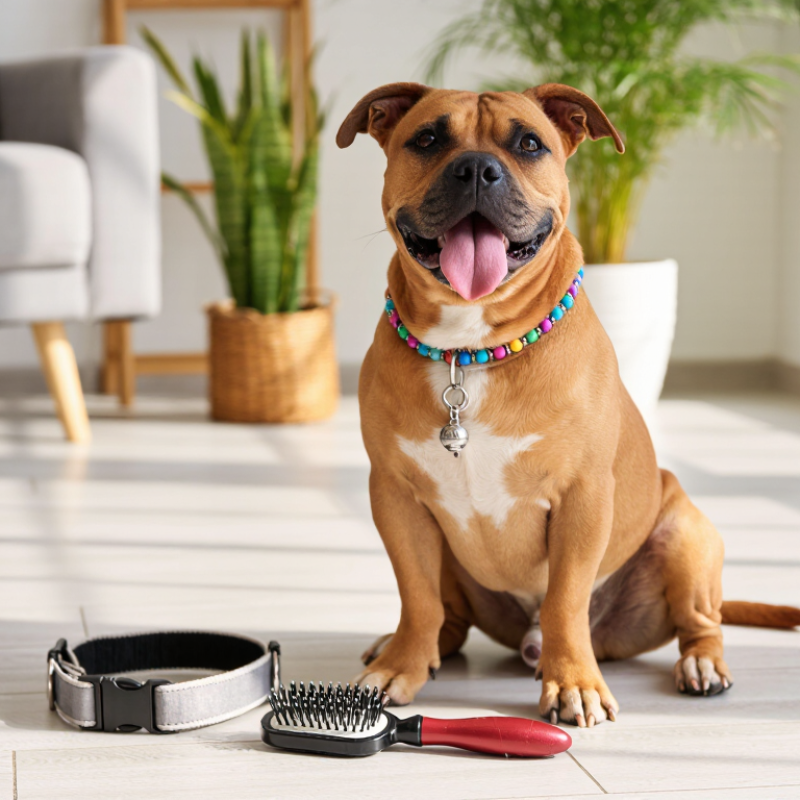
A decorative collar is a neck accessory designed mainly for visual expression. It may be made from fabric, lace, leather, metal, beads, or soft synthetic materials. Unlike a medical or protective collar, it should not restrict breathing or control movement. Its purpose is simple: to add shape, texture, or character to an outfit. That detail matters.
People use decorative collars with shirts, dresses, costumes, and formal clothing. Some create a sharp line beneath the chin, while wider designs draw attention toward the shoulders. Others add contrast through velvet, polished hardware, embroidery, or small hanging details. They can support personal style without changing an entire wardrobe. During fitting, the collar should sit securely but leave enough room for comfortable movement. A finger should usually slide beneath the edge without forcing it.
Breaks are still necessary, even when the collar feels light. Extended wear may cause warmth, sweating, pressure marks, or irritation around the neck. Remove it during rest, exercise, eating, or any activity that requires quick movement. Check the skin and the fastener after wearing it. If the collar twists, pinches, or causes numbness, take it off immediately. It is easy to assume that attractive accessories are harmless because they look delicate. That assumption is not always correct. Comfort needs regular attention, especially when the material is stiff or the fit changes throughout the day.
Decorative collars can add personality, but continuous wear may affect a pet’s comfort and safety. A collar that feels harmless in the morning can rub the neck by evening. Movement, heat, and moisture may create hidden irritation beneath the fur.
During routine pet-care checks, look for red skin, hair loss, swelling, or damp patches. A tight collar can restrict comfortable movement and increase pressure during pulling. Loose decorations may catch on furniture, fences, or another pet’s teeth. Some animals also scratch constantly when metal, rough stitching, or trapped dirt bothers them. Breaks give the skin time to recover and make problems easier to notice. I used to focus mainly on fit, but the skin under the collar often tells a fuller story.
Tips: Remove the collar during supervised rest, grooming, or indoor play when appropriate. Check the neck and collar daily. You should fit two fingers beneath the band, but this is only a starting point. Recheck the fit as fur grows or weight changes. Keep the material clean and fully dry. Avoid collars with sharp edges or heavy attachments. If your pet coughs, struggles to breathe, shows persistent scratching, or develops a sore, remove the collar and seek veterinary advice. A short break can prevent a small irritation from becoming a painful wound.
How continuous collar wear can affect comfort and safety
A collar should be comfortable, correctly fitted, and checked regularly. Veterinary and animal-welfare guidance commonly recommends leaving enough room for two fingers between the collar and the neck, inspecting the skin at least daily, and removing the collar immediately if rubbing, hair loss, swelling, or breathing difficulty appears. Short breaks allow the neck and coat to be inspected and reduce the chance that unnoticed pressure or moisture will continue.
Decorative collars can look harmless, yet constant contact may irritate skin and flatten fur. Veterinary dermatology guidance identifies friction, trapped moisture, and occlusion as common contributors to skin inflammation. A collar can rub behind the ears, under the jaw, or across the throat during movement. Damp fur makes the problem worse.
Scheduled breaks give the neck time to dry and recover. Remove the collar during supervised indoor rest, grooming, and sleep, unless a veterinarian advises otherwise. Check the skin every day. Look for redness, broken hairs, swelling, odor, or unusual scratching.
Small gaps matter. A practical fit should allow two fingers between the collar and neck, but this is not a perfect rule for every animal.
The scale of pet ownership makes this routine relevant. The APPA 2023–2024 National Pet Owners Survey reports 65.1 million U.S. households owning dogs and 46.5 million owning cats. The PDSA Animal Wellbeing Report 2024 estimates 11.1 million dogs and 10.6 million cats in the United Kingdom. These industry figures do not measure collar injuries, but they show how many animals may wear accessories regularly.
In my experience, owners often notice fur loss before skin damage. That assumption can delay care. If the neck feels hot, swollen, painful, or unusually cold, stop using the collar and contact a veterinary professional..
Decorative collars can rub the neck, trap moisture, or press against fur during long wear. Collar-free breaks give the skin time to breathe and make irritation easier to notice. The safest place is usually a quiet indoor room with closed doors and windows. Choose a calm time, such as after exercise, grooming, or before sleep. Avoid removing the collar near open gates, busy streets, or unfamiliar animals. Identification may be important outdoors, even during short trips.
Tips: Check the neck before and after each break. Look for redness, damp fur, hair loss, swelling, or tiny pressure marks. Keep the collar off during rough play if it can catch on furniture. Never leave a pet collar-free in an escape-prone area without supervision. A clean, dry sleeping space is better than a crowded crate or tangled blanket. If the collar has a clasp, test it gently and inspect it for damage.
A common mistake is assuming a soft collar cannot cause problems. It still can, especially on sensitive skin or thick coats. I would also reconsider overnight wear when rubbing appears, though every pet’s needs differ. A veterinarian or qualified groomer can help assess repeated irritation, unusual scratching, or a poor fit. Small breaks are useful, but safety must decide when and where they happen.
Decorative collars can add charm, but they still press against skin, fur, and the throat. They need regular breaks, especially during sleep, play, or unsupervised time. A comfortable fit should allow two fingers between the collar and the neck. Check the area in bright light. Look for redness, damp fur, flattened hair, or small pressure marks. These details may appear minor, but they can worsen quietly beneath thick fur.
Remove the collar immediately if breathing sounds change, coughing begins, or swallowing seems difficult. Take it off if your pet scratches repeatedly, rubs the neck against furniture, or suddenly avoids being touched. Swelling, bleeding, broken skin, heat, or a strong odor also require prompt attention. Do not wait for the mark to disappear. If breathing remains abnormal, bleeding continues, or the skin looks deeply damaged, contact a veterinarian without delay. Keep the collar for inspection, but do not put it back on.
Check decorative parts as well. Loose beads, sharp edges, and stretched fasteners can catch on crates, branches, or bedding. A collar that twists may press harder on one side. I once underestimated how quickly a small damp patch could irritate sensitive skin. Many caregivers make the same mistake. Remove the collar, avoid harsh cleaning products, and follow veterinary guidance if the skin looks painful. A small mark can deserve attention.
It is a neck accessory made for appearance, texture, or character. It should not restrict breathing or movement.
You should fit two fingers beneath the collar. It must feel secure, not tight or loose. Recheck the fit often.
Continuous wear may cause rubbing, heat, moisture, or pressure marks. Remove it during rest, grooming, indoor play, and unsupervised time.
Look for redness, hair loss, swelling, damp fur, flattened hair, or small pressure marks. Use bright light.
Remove it if coughing, breathing changes, repeated scratching, swelling, bleeding, or broken skin appears. Do not put it back.
Yes. Beads, sharp edges, and heavy attachments may catch on furniture, branches, bedding, or another animal.
Keep it clean and fully dry. Check the fastener daily. Avoid harsh cleaning products and damaged materials.
Remove the collar and inspect the neck. Seek veterinary advice for ongoing coughing, painful skin, bleeding, or abnormal breathing.
It may become irritating beneath thick fur. I might dismiss it too quickly. Check again later, or ask a veterinarian.
Decorative collars are often used to add style, identify a pet, or complement a special occasion, but they should never be treated as all-day accessories without consideration. Why do decorative collars need breaks? Continuous wear can create pressure, trap moisture, irritate the skin, mat the fur, and restrict comfortable movement. In some cases, a collar that is too tight or poorly fitted may also affect circulation or cause discomfort when the pet rests, plays, or grooms itself.
Scheduled collar-free periods allow the skin and fur to stay dry and recover while giving owners a chance to check for redness, swelling, hair loss, chafing, or unusual sensitivity. Breaks are safest in a calm, secure, supervised place where the collar is not needed for identification or control. Owners should remove the collar immediately if they notice breathing difficulty, repeated scratching, sores, swelling, behavior changes, or signs that the collar is caught or causing pressure. Regular fit checks and attentive supervision help keep decorative accessories comfortable and safe.
