CT Pet
Why avoid heavy decor on pet collars is more than a style question. It concerns comfort, movement, skin health, and daily safety. The American Pet Products Association’s 2024 National Pet Owners Survey estimated 86.9 million U.S. households owned a pet. That scale makes small design decisions important. Yet no major industry report currently measures injuries caused specifically by decorative collar weight. This evidence gap deserves honesty.
Veterinary sports-medicine specialist Dr. Christine Zink offers a useful principle: “Equipment should support movement, not restrict it.” A collar overloaded with metal charms, thick bows, or dangling tags may press against the throat. It can also catch on crate doors, branches, or grooming tools. A few extra grams may seem harmless. They may feel very different on a small dog or cat. The risk increases when decoration becomes sharp, noisy, loose, or difficult to clean.
The 2023–2024 APPA report also shows continuing growth in pet-care spending, reflecting stronger owner attention to comfort and wellness. However, attractive products are not automatically well designed. A collar should lie flat, allow normal head movement, and remain easy to inspect. The two-finger fitting rule is helpful, but it is not perfect for every animal. Some pets need harnesses, breakaway collars, or professional fitting advice. A reflective strip may improve visibility; heavy dangling pieces may not. This topic requires balance, not panic. Good design protects the animal first, while decoration stays light, secure, and replaceable.
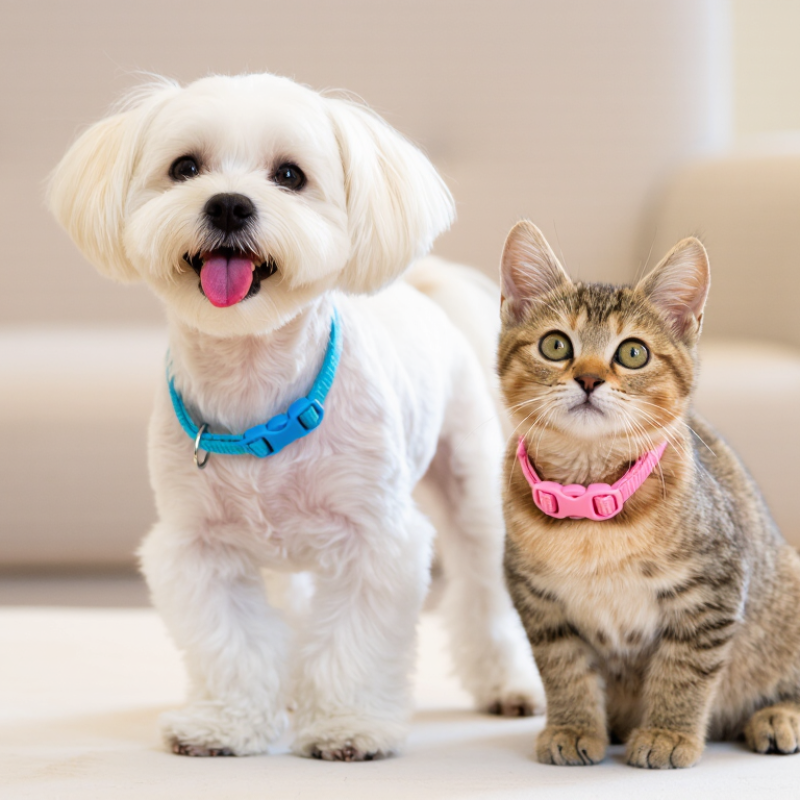
Heavy collar decorations may seem harmless, but they can change how a pet moves. Extra weight pulls against the neck with every step. Small dogs, cats, puppies, and older pets may feel this stress sooner. It can also cause rubbing, redness, hair loss, or pressure around the throat. A dangling charm may snag on furniture, crates, or branches. That risk is easy to overlook.
Tips: Choose lightweight decorations with smooth edges. Check the collar after outdoor walks. Look for swelling, broken hair, or tender skin. Keep the collar snug, but allow two fingers underneath. Remove decorative collars during sleep or unsupervised play. Watch for coughing, scratching, head shaking, or unusual reluctance to move. These signs deserve attention.
A practical check is simple. Hold the collar in your hand and notice its balance. If it feels bulky, it may burden a small neck. Many owners focus on appearance first. I understand that impulse, but comfort should lead the decision. Decorations should never interfere with identification tags, breathing, grooming, or normal movement. If irritation continues after removing the collar, consult a veterinarian for individual advice.
A collar should stay light, flexible, and easy to inspect. The 2023–2024 APPA National Pet Owners Survey estimates that 65.1 million U.S. households own dogs. This scale makes small design risks worth serious attention. Veterinary nurses often find irritation beneath metal charms, stitched patches, and bulky tags. Weight can pull the collar downward during walks. That pressure may rub the neck, especially when fur is wet. Choose lightweight materials. Keep edges smooth. Avoid spikes, long chains, and rigid decorations. Check the collar after active play. I may be overly cautious, but a quiet collar is easier to trust.
Loose parts create another hazard. The U.S. Consumer Product Safety Commission recorded about 231,000 toy-related injuries among children in 2023. This is not pet-specific evidence. Still, it shows why detachable components deserve scrutiny. A curious pet may chew a dangling bead or swallow a broken fastener. Secure every attachment. Reject cracked stitching. Test clasps by hand. Keep decorations away from the throat area. Match the collar to the animal’s size and behavior. Puppies and persistent chewers need especially simple designs. Remove the collar during crate use if snagging is possible. Measure two fingers of clearance, then recheck weekly. That rule is useful, not perfect. Cats, dogs, and individual neck shapes differ. Ask a veterinary professional when coughing, rubbing, hair loss, or skin redness appears.
Why Avoid Heavy Decor on Pet Collars 7 Tips?
A collar should feel almost unnoticed around a pet’s neck. Lightweight nylon, soft woven polyester, and flexible coated materials can reduce pressure during daily movement. Avoid large metal charms, thick studs, or dangling ornaments that may swing, catch, or become noisy. Keep it simple.
Comfort depends on more than weight. Choose smooth edges, breathable surfaces, and a secure buckle that does not pinch fur or skin. You should fit two fingers between the collar and your pet’s neck, then check the fit during growth or seasonal coat changes. A decorative collar can look attractive, but poor material choices may cause rubbing, trapped moisture, or restricted movement. Reflective stitching can improve visibility without adding bulky pieces.
From caring for active pets, I have learned that collars need regular inspection. Look for frayed fabric, loose stitching, cracked hardware, and stretched holes. Check it daily. I once focused too much on appearance and missed a small rough edge near the buckle. That mistake changed my routine. Now I run my fingers along the entire collar before walks. A secure collar should stay fastened during normal movement, yet release easily when removed by a person. No collar is perfect for every pet. Sensitive skin, chewing habits, and outdoor activity all require thoughtful material selection.
| Tip | Design Concern | Recommended Material or Feature | Why It Matters | Practical Check | Overall Priority |
|---|---|---|---|---|---|
| 1 | Keep the collar lightweight | Soft woven nylon, polyester webbing, or thin biothane-style coated webbing with limited decoration | A heavy collar can increase neck load, swing during movement, and cause rubbing or discomfort, especially for small dogs, cats, and puppies. | Compare the collar weight with the pet’s body size and remove unnecessary metal charms, thick plates, and oversized ornaments. | ★★★★★ Essential |
| 2 | Select smooth, skin-friendly surfaces | Rounded-edge webbing, soft fabric lining, or smoothly finished coated material | Rough stitching, sharp edges, and exposed fasteners may irritate the skin or catch fur during daily wear. | Run a finger along the inside and edges of the collar. It should feel smooth, flexible, and free from burrs. | ★★★★★ Essential |
| 3 | Use breathable and quick-drying materials | Moisture-resistant nylon or polyester with a breathable construction; avoid thick, non-breathable padding for continuous wear | Trapped moisture can contribute to odor, matting, and skin irritation. Quick-drying materials are useful after rain, bathing, or outdoor activity. | Inspect the neck after exercise or wet conditions and remove the collar temporarily when it becomes damp, if safe to do so. | ★★★★☆ High |
| 4 | Choose secure, properly sized hardware | Corrosion-resistant metal or reinforced plastic buckle, strong D-ring, and durable adjustment hardware | Hardware must resist accidental opening and hold the leash or identification tag without creating excessive weight. | Check that buckles lock fully, the D-ring is firmly attached, and no component is cracked, loose, or visibly bent. | ★★★★★ Essential |
| 5 | Allow a safe fit without excessive tightness | Adjustable collar with stable sizing and a flexible, non-stretch structure | A collar that is too tight may restrict comfort and cause rubbing, while one that is too loose may slip over the head. | For most dogs, allow approximately two adult-finger widths between the collar and neck; use a smaller gap for very small pets and verify the fit regularly. | ★★★★★ Essential |
| 6 | Limit dangling and protruding decorations | Flat, lightweight reflective elements or securely stitched low-profile details | Large charms and raised decorations can snag on crates, branches, furniture, or other pets. They may also create noise and added movement around the neck. | Prefer decorations that lie flat and cannot be easily pulled, chewed, or caught. Avoid sharp, loose, or oversized attachments. | ★★★★☆ High |
| 7 | Inspect materials and replace worn collars | Colorfast, abrasion-resistant webbing with reinforced stitching and replaceable identification information | Sunlight, moisture, dirt, chewing, and repeated pulling can weaken fibers, stitching, and hardware over time. | Inspect the collar at least monthly and after strong pulling. Replace it when webbing is frayed, stitching is damaged, or the buckle no longer locks securely. | ★★★★★ Essential |
Safety note: Collar suitability depends on the pet’s size, behavior, neck shape, coat, and activity level. Check the fit regularly, supervise pets around potential snag hazards, and follow veterinary advice for pets with neck or skin conditions.
Heavy decorations can turn a collar into a stiff, shifting weight. During daily wear, check the fit with two fingers between the collar and neck. It should stay secure without pressing into the skin. A loose collar may catch on furniture, while a tight one can rub beneath the jaw. Check the buckle and attachment points, too. Small cracks deserve attention.
Watch your pet walk, lie down, shake, and scratch. The collar should follow these movements quietly. If tags swing against the throat or decorations strike the chest, remove them. I once underestimated a tiny metal piece. It created a red patch after a long afternoon. That mistake changed my routine. Now I inspect the neck after outdoor exercise and before bedtime. Look for hair loss, damp fur, swelling, flakes, or repeated scratching. Skin changes can appear before obvious discomfort.
Run clean fingers under the collar every day, especially after rain or bathing. Moisture trapped under an edge can soften skin and cause irritation. Wash the collar according to its material, then let it dry fully. Never rely on one fit check, because weight and coat thickness change. Puppies, clipped coats, and seasonal shedding need closer observation. I sometimes check too quickly. That habit needs correcting. If redness persists, the pet seems painful, or movement changes, stop using the collar and seek veterinary advice. A lighter design is often easier to monitor.
This checklist organizes seven practical checks around fit, movement, skin condition, and collar hardware. Heavy decorations can add pressure, restrict movement, catch on objects, or irritate the skin, so daily observation is recommended.
The values show the number of observable checks in each safety category, not medical risk percentages. A well-fitting collar should allow approximately two fingers between the collar and the pet’s neck, while the pet should move freely without rubbing, redness, swelling, or hair loss.
Heavy decorations can make a collar uncomfortable and unsafe. Large charms may swing against a pet’s neck, catch on furniture, or interfere with scratching. Extra weight can also change how the collar sits during walks. Keep it light.
Safer personalization starts with color, texture, and small flat details. Choose a lightweight collar with woven patterns or stitched lettering. A slim, securely attached identification plate is usually better than several hanging accessories. Reflective thread can improve visibility without adding much weight. Avoid sharp edges, loose beads, and parts that can be chewed off. Less can be safer.
Check the fit regularly. You should slide two fingers between the collar and your pet’s neck, but the collar should not rotate freely over the head. Puppies and growing pets need frequent adjustments. Inspect the stitching, clasp, and attachment point each week. A damaged collar can fail without warning.
Cats may need a breakaway design, especially if they explore outdoors or climb indoors. Dogs that pull strongly may require advice from a veterinarian or qualified trainer before choosing equipment. Watch your pet after any change. Scratching, head shaking, redness, or unusual reluctance can signal discomfort. Personal style matters, but comfort matters more. The tempting mistake is adding one more decoration. Resist it.
Heavy charms can pull the collar down and rub the neck during walks. Wet fur may worsen the pressure. Keep decorations light.
Lightweight nylon, soft woven polyester, and flexible coated materials can reduce pressure. Choose smooth edges and breathable surfaces. Comfort comes first.
You should fit two fingers between the collar and your pet’s neck. Check the fit weekly. Growing pets need frequent adjustments.
Avoid spikes, long chains, loose beads, thick studs, and dangling ornaments. These parts may catch on furniture or become chewable. Simple is safer.
Use woven patterns, stitched lettering, or reflective thread. A slim, secure identification plate may work better than several hanging accessories. Less can be safer.
Check it before walks and after active play. Look for frayed fabric, loose stitching, cracked hardware, and stretched holes. Run your fingers along the entire collar.
Watch for scratching, head shaking, redness, hair loss, coughing, or unusual reluctance. Remove the collar when appropriate. Seek veterinary advice if signs continue.
Cats may benefit from breakaway designs when climbing or exploring. Dogs that pull strongly may need professional equipment advice. No collar suits every pet.
Remove a collar if it could snag on crate parts. A dangling attachment can catch unexpectedly. I once focused too much on appearance and missed a rough buckle edge. That mistake changed my routine.
Why avoid heavy decor on pet collars? Excessive decorations can place unnecessary strain on a pet’s neck, affect natural movement, and create discomfort during walking, playing, or sleeping. Heavy charms, sharp protrusions, and loose components may catch on furniture, cages, or plants, while small detachable parts can become dangerous if chewed or swallowed. A collar should be light, smooth, durable, and securely fastened so it remains comfortable without restricting breathing or movement.
Pet owners should regularly check the collar’s fit, allowing enough room for comfort while ensuring it cannot slip over the head. Daily inspections can help identify rubbing, hair loss, redness, swelling, or other signs of irritation. Safer personalization options include lightweight, firmly attached identification details, flat decorations, or color and pattern choices that add style without extra weight. By prioritizing comfort, secure construction, and regular monitoring, owners can help keep a pet’s collar both attractive and safe.
