CT Pet
Choosing a pet style is more meaningful than matching colors with your sofa. The right look should reflect your pet’s temperament, comfort, daily habits, and distinctive character. A confident Labrador may suit a sporty, practical style, while a cautious rescue cat may prefer soft textures and quiet, minimalist details.
So, what style fits my pet’s personality? This guide explores ten approachable styles, including classic, playful, rustic, elegant, adventurous, and cozy designs. Each option connects visual choices with observable behavior. Watch how your pet moves, rests, reacts to noise, and responds to new materials. A loose bandana may suit a social dog. A warm knitted layer could help a short-haired senior during a calm walk.
Comfort comes first.
Animal behaviorist and author Dr. Patricia McConnell wrote, “The more we learn about animals, the more we learn about ourselves.” Her insight reminds us to study the individual, not force an identity onto the animal. A style that looks charming in photographs may feel restrictive in real life. That detail is easy to miss.
This introduction uses practical observations, professional behavior principles, and responsible styling guidance. It does not treat personality as a perfect label. Our first guess may be wrong. Pets can change with age, health, confidence, and experience. If your pet avoids clothing, freezes, scratches, or shows stress, pause and reassess. A veterinarian or qualified behavior professional can help when discomfort seems unusual. The best style feels natural, safe, and unmistakably theirs.
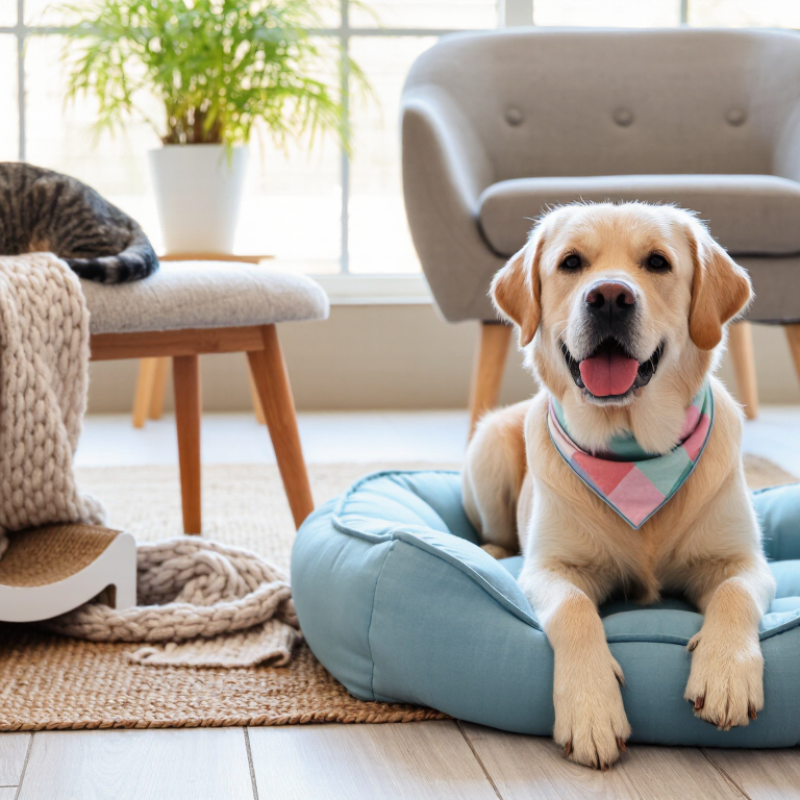
Pet style is more than color, clothing, or a carefully arranged bed. It is how we notice, support, and express an animal’s daily personality. A confident dog may enjoy bright accessories, open spaces, and lively games. A cautious cat may prefer soft textures, quiet corners, and gentle handling. Style should serve comfort, not human display. That distinction matters.
After observing pets at home and during routine care, I have learned that personality appears through small choices. A curious rabbit investigates new tunnels, while a sensitive one may freeze beside them. A social bird often seeks conversation, but an independent bird may value distance. Watch posture, appetite, sleep, movement, and avoidance. These signs are more trustworthy than a popular “pet type.” Veterinary professionals and qualified behavior specialists can help when fear, pain, or sudden changes affect behavior. Never treat a style label as a diagnosis.
Try one change at a time. Place a washable mat near a dog’s favorite window, or offer a cat two resting heights. Notice what happens over several days. Remove anything that causes hiding, panting, scratching, or repeated escape attempts. I once assumed a playful pet wanted constant activity; the animal actually needed predictable pauses. I was wrong. That mistake changed my approach. Personality can shift with age, health, environment, and past experiences. The best style remains flexible, practical, and respectful of each individual animal.
The Adventurer seeks open doors, new scents, and every rustling leaf. The Cuddler prefers warm laps, quiet rooms, and gentle contact. The Guardian watches windows carefully and reacts to unfamiliar sounds. The Social Butterfly greets visitors with loose posture, bright eyes, and confident movement. The Independent pet enjoys attention, but chooses when and how it happens. These traits describe tendencies, not fixed diagnoses. A veterinary professional should assess sudden behavior changes, pain, or fear.
The Thinker pauses before acting and studies toys, people, and new spaces. The Comedian creates playful chaos, often carrying objects through the house. The Athlete needs movement, climbing, chasing, or structured games every day.
The Observer stays near the action but prefers watching before joining. The Sensitive Soul notices tense voices, crowded rooms, and sudden handling. Its comfort may depend on soft bedding, predictable routines, and patient introductions. Keep notes for several days. Patterns matter more than one funny moment.
I once labeled a quiet pet as independent, then noticed it was simply tired and uncomfortable. That mistake changed my approach. Personality reading works best beside careful observation, not guesswork. Look at ears, tail position, breathing, appetite, sleep, and recovery after excitement. One pet may show several styles, depending on age, health, environment, and trust. Some labels will fit poorly. That is useful information. Adjust the description, and let the pet’s repeated behavior lead.
A pet’s style should reflect its daily behavior, not a fashionable label. An Explorer needs safe routes, sniffing games, and sturdy walking gear. The Clown enjoys rotating toys and playful training. A Guardian prefers predictable spaces and quiet observation points. Do not force constant greetings.
A Cuddle Bug usually seeks warm contact and gentle routines. The Athlete needs short, varied activities that protect growing joints. An Observer may prefer a window perch, hiding box, or calm puzzle. The Social Butterfly can enjoy group play, but watch for tired body language. The Independent Spirit often thrives with choice and private rest areas. A Gentle Soul needs soft voices, slower handling, and patient introductions.
Look for details. A relaxed mouth, loose shoulders, and normal appetite suggest comfort. Lip licking, tucked posture, repeated hiding, or sudden irritation may signal stress. Behavior professionals often recommend changing one feature at a time, so the cause remains clear. I once mistook a quiet pet for an easygoing one; later, I noticed it was avoiding noise. That mistake changed how I observed animals.
Personality can shift with age, pain, illness, or household changes. A veterinarian should assess sudden changes, especially reduced eating or unusual aggression. Keep brief notes about sleep, play, reactions, and recovery time. Then adjust the space gently. Pets are individuals. Labels help, but they are not perfect.
Top 10 Pet Styles: What Style Fits My Pet’s Personality?
Questions to Identify Your Pet’s Personality Style
Choosing a pet style begins with observation, not appearance. Ask, “What does my pet do when something unfamiliar enters the room?” A curious pet may approach slowly, sniffing every corner. A cautious pet may freeze, hide, or watch from a distance. Neither response is wrong. They reveal comfort levels. Notice body language, too. A loose tail, soft eyes, and relaxed ears often suggest confidence. Tension, repeated yawning, or sudden avoidance may signal stress.
Consider these questions during ordinary moments. Does your pet seek attention, or prefer quiet companionship? Does it enjoy new toys, or return to one familiar object? Does it follow household routines closely? How does it react to visitors, children, grooming, or travel? Is it an energetic explorer, a gentle observer, a loyal shadow, or an independent thinker? Record small patterns for several days. One exciting afternoon can mislead you.
I once assumed a quiet cat disliked interaction. Later, I noticed she approached people after the room became calm. My first interpretation was incomplete. Your pet’s personality can also change with age, illness, fear, or past experiences. Avoid forcing a style onto your animal. Test accessories, activities, and daily routines gradually. Stop if your pet shows distress. A veterinarian or qualified animal behavior professional can help interpret persistent changes. The best style fits your pet’s comfort, communication, and natural habits.
Use these personality styles as a simple guide. Think about how often your pet shows each behavior in familiar, everyday situations. The chart below uses illustrative self-assessment scores from 0 to 10 rather than clinical measurements.
A higher score suggests that the corresponding behavior is more noticeable. Pets can fit several styles at once, and personality may change with age, health, environment, training, and social experiences.
Top 10 Pet Styles: What Style Fits My Pet’s Personality?
Choosing Activities and Care Based on Your Pet’s Style
Pet style is more than appearance. It reflects energy, confidence, curiosity, and comfort with handling. The 2024 APPA National Pet Owners Survey reports that 66% of U.S. households own a pet. That scale makes personalized care increasingly important. A playful dog may need scent games, short training sessions, and safe outdoor exploration. A cautious cat may prefer window perches, hiding areas, and quiet play after sunset. Watch the body, not just the behavior.
Active pets often benefit from puzzle feeders, climbing structures, or supervised agility exercises. Social pets may enjoy gentle group activities, but forced interaction can create stress. Independent animals still need routine checks, dental care, and daily engagement. The 2024 FEDIAF European Pet Population and Industry Facts report estimates that 49% of European households own a pet. Many caregivers share similar challenges, yet each animal remains different. Breed labels can guide questions, not decide everything.
I have learned that “lazy” pets may actually be bored, uncomfortable, or overweight. That assumption deserves reconsideration. Track appetite, sleep, movement, and reactions for two weeks. Then adjust one activity at a time. Stop when breathing becomes heavy, posture tightens, or avoidance appears. A veterinarian or qualified behavior professional should assess sudden changes. Personality-based care works best when observation leads the plan, not guesswork.
It reflects daily personality, comfort, and preferred ways of interacting. It is not only color, clothing, or bedding. Comfort matters more than appearance.
Observe posture, appetite, sleep, movement, and avoidance. A curious rabbit may enter a tunnel quickly. A cautious rabbit may freeze beside it.
An Explorer may enjoy safe routes, sniffing games, and sturdy walking equipment. Check each area for sharp edges or escape gaps. Safety comes first.
Offer quiet corners, soft textures, and gentle handling. Avoid forced greetings. Hiding is information.
A playful pet may enjoy rotating toys and brief training sessions. An Athlete needs varied activity with rest periods. Too much excitement can become stress.
Loose shoulders, a relaxed mouth, normal appetite, and steady movement often suggest comfort. Repeated hiding, lip licking, or sudden irritation may signal stress.
Remove the item if your pet hides, pants, scratches, or repeatedly escapes. Try one change at a time. I once assumed constant play was helpful, but the pet needed predictable pauses.
Yes, age, health, pain, past experiences, and household changes can affect behavior. Keep brief notes about sleep, play, reactions, and recovery. Labels help, but they are imperfect.
Seek veterinary or qualified behavior guidance after sudden changes. Reduced eating, unusual aggression, or persistent fear deserves careful attention. Do not treat a style label as a diagnosis.
Discovering your pet’s style is a fun way to understand how personality influences everyday behavior. Some pets are adventurous explorers, while others are gentle observers, playful entertainers, loyal companions, independent thinkers, social butterflies, calm comforters, energetic athletes, clever problem-solvers, or sensitive dreamers. By noticing how your pet reacts to people, new places, toys, routines, and affection, you can begin to answer the question: “What style fits my pet’s personality?”
This guide introduces ten distinctive pet styles, explains their defining traits, and connects common behaviors with each personality type. It also offers simple questions to help identify your pet’s natural tendencies. Once you understand their style, you can choose activities, training approaches, enrichment, rest, and daily care that better match their needs. Recognizing your pet’s individuality can strengthen your bond, reduce stress, and create a happier, more comfortable life together.
