CT Pet
Pets often wear decorative collars, but why do pets wear decorative collars? This question highlights the blend of practicality and aesthetics in pet care. Collars come in various styles, colors, and materials, making them a fun accessory. Owners might choose a collar that reflects their pet’s personality or matches their own fashion sense.
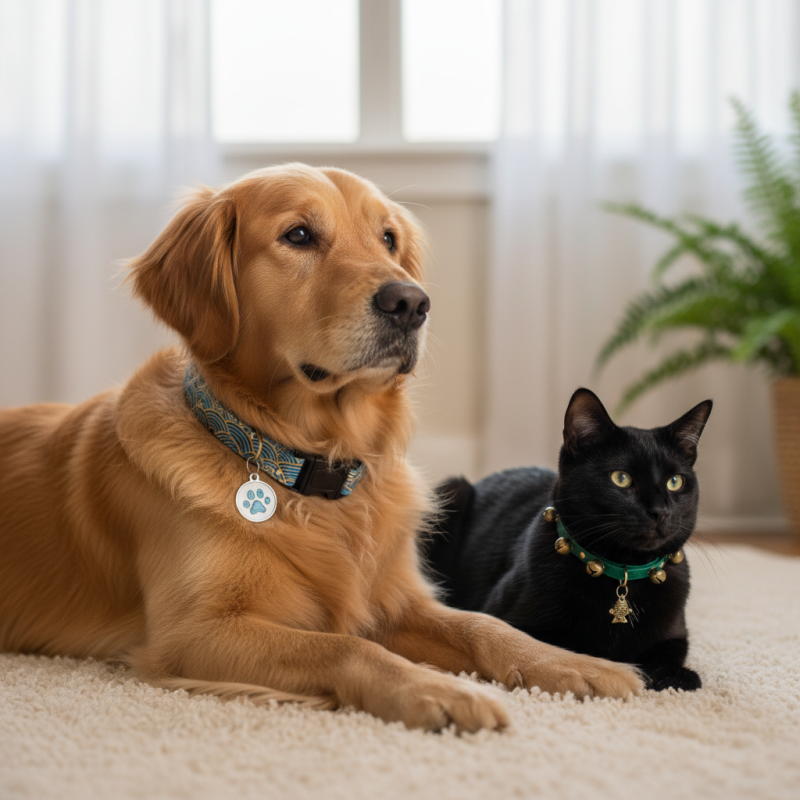
Decorative collars can serve purposes beyond looks. They might hold ID tags, ensuring that lost pets can be returned home. Some collars also provide comfort or functionality, like bells to make it easier to find a playful cat. Yet, the question remains. Are all decorative collars suitable for every pet?
Parents should be thoughtful about their choices. A collar that's stylish may not be comfortable or safe. Some pets react differently to various materials or designs. Reflecting on these reasons, it's clear that while decorative collars can enhance a pet's appearance, careful consideration ensures a balance between style and safety.
Throughout history, decorative collars for pets have held a unique significance. Originally, they served practical purposes. Owners used collars to identify and protect their animals. Decorative elements began to emerge as people wanted their pets to reflect their status.
In ancient civilizations, collars adorned with jewels or intricate designs indicated wealth. They were also seen in art, showcasing the bond between humans and pets. Over time, these collars evolved into fashionable accessories. They became a way to express individuality and style.
However, the practice can sometimes overshadow a pet's comfort. Not all collars are designed with the animal's well-being in mind. Some pets may struggle with heavy or restrictive collars. It's crucial to find a balance between aesthetics and functionality. After all, our furry friends deserve comfort just as much as they do style.
The trend of pets wearing decorative collars has become a fascinating aspect of owner identity. Many pet owners see fashion as a way to express their personality through their pets. A stylish collar is an extension of oneself. It reflects tastes, interests, and even social status. Some owners meticulously choose collars that match their outfits, creating a unique bond expressed through fashion.
Fashion in pet accessories evokes a sense of belonging and community among owners. Participating in pet fashion events or social media groups can enhance this feeling. Some owners may feel pressure to keep up with the latest trends. It’s essential to choose accessories that not only look good but also suit the pet’s comfort and safety.
Tips: When selecting a collar, ensure it fits well. It shouldn’t be too tight or too loose. Consider the materials used; soft, breathable fabrics are ideal. Also, be mindful of your pet’s personality. A shy pet may not enjoy flashy accessories as much as a playful one. Reflect on your choices. Are they practical, or are you just trying to impress others? Keep your pet's well-being a priority.
When it comes to decorative collars for pets, their functionality extends far beyond mere aesthetics. According to a recent study by the American Veterinary Medical Association, over 50% of lost pets are never reunited with their families. This statistic highlights the vital role that identification plays in pet safety. Collars often hold essential tags that provide crucial information, such as the pet owner's contact details. In emergencies, these details can be lifesavers.
Safety is another critical aspect of collars. Many collars are designed to be breakaway. This means that if the collar gets caught on something, it will unclip, preventing injury to the pet. A report from the American Animal Hospital Association points out that approximately 8 million pets enter shelters each year. Collars that serve as identification drastically reduce the chances of pets being lost in the first place. While not all collars are created equal, choosing a safe, functional option can make a significant difference.
However, not all pet owners consider these points. Some collars may be more decorative than practical, making them less effective in emergencies. It’s essential to balance style with functionality. Reflecting on the collar's purpose is crucial; a well-designed collar can help keep pets safe and connected to their families.
Decorative collars can enhance a pet's appearance and personality. But the benefits extend beyond just aesthetics. Many pet owners report that their animals seem happier when they wear stylish collars. The right collar can make a pet feel more confident. It's almost as if the collar gives them a sense of belonging.
Pets often love attention from others. When they sport a colorful or unique collar, people notice. This can boost their mood and reduce anxiety. Some pets may even become more playful. The extra attention can help ease loneliness, especially in single-pet households. However, not every pet enjoys wearing accessories. They might feel restricted or uncomfortable. It's crucial to find a balance between decoration and comfort.
Choosing the right collar involves understanding your pet’s personality. Some pets may benefit from a more playful design. Others might prefer minimalistic options. Observing their behavior can provide insight. If a pet seems uneasy with a collar, it's worth reconsidering. Not all pets will embrace fashion, and that’s okay. Discovering what makes them comfortable is key to their happiness.
When selecting a decorative collar for your pet, several factors come into play. The material is crucial. Soft fabrics minimize irritation. Sturdy materials ensure durability. Consider your pet's fur type too. A collar that snags can be uncomfortable. It's vital to ensure that the collar fits well. A loose collar may slip off; a tight one could choke.
Color and design reflect your pet's personality. Bright patterns can showcase playfulness. Subtle tones might indicate elegance. However, trends change quickly. A collar you pick today might feel out of style tomorrow. Think about practicality. Is the collar easy to clean? If it remains dirty, it might become a hygiene issue over time.
Safety is another essential aspect. Some collars have breakaway features. This can prevent accidents during play. Reflective elements enhance visibility at night. Pets can get lost easily, and a well-chosen collar helps in finding them. Balancing aesthetics with functionality is a challenge. It requires thought and patience.
: Regular exercise improves physical health. It enhances mood and boosts energy levels. It can also reduce stress.
Choose activities you enjoy. Set achievable goals. Start slowly and gradually increase intensity. Create a schedule to stay consistent.
Opt for a light snack. A banana or yogurt works well. Avoid heavy meals just before workouts.
Aim for at least 150 minutes of moderate exercise weekly. Break it into manageable sessions. Make it routine.
Yes, warming up prepares your body for exercise. It reduces injury risk and improves performance. A few minutes is enough.
Missing a workout is common. Don't be too hard on yourself. Just get back on track the next day.
Listen to your body. Sometimes a light workout can boost energy. But don’t push too hard if you’re feeling exhausted.
Set clear, realistic goals. Track your progress and celebrate small victories. Finding a workout buddy can also help.
Consult a healthcare provider before starting any new exercise. They can provide tailored advice based on your condition.
Yes, rest is crucial. It allows your body to recover and prevents burnout. Allocate time for rest each week.
The article titled "Why Do Pets Wear Decorative Collars Best Reasons Explained" explores the multifaceted reasons behind the use of decorative collars for pets. It begins by delving into the historical significance of these accessories, highlighting how they have evolved from functional items to fashionable statements that reflect both pet and owner identities. The role of fashion in pet accessories is further examined, demonstrating how collar choices can express personality and style.
Beyond aesthetics, decorative collars serve important functional purposes, including safety and identification, ensuring that pets are easily recognizable and protected. Additionally, the psychological benefits of wearing decorative collars for pets are discussed, suggesting that these accessories can enhance their comfort and well-being. Finally, the article emphasizes the importance of choosing the right decorative collar, guiding pet owners on considerations such as material, size, and design to meet their pets' needs while also expressing their unique style.