CT Pet
In 2026, personalizing a pet collar can be practical as well as expressive. A name, readable phone number, and comfortable fit matter more than decorative extras. The American Pet Products Association’s 2025 State of the Industry report estimated U.S. pet-industry spending at $152 billion in 2024, with a forecast of $157 billion for 2025. These figures cover the wider pet market, not collar sales. Still, they show how much attention people give their pets’ everyday care.
How to personalize pet collars simply starts with your pet’s needs. Choose a collar that fits securely, then add clear identification using embroidery or a durable tag. Check that the lettering stays legible and the hardware feels sturdy. A small detail, like a tag that jingles against a metal bowl, may bother some pets. Watch your pet’s reaction. The American Veterinary Medical Association recommends identification for pets, including tags and microchips; a personalized collar can support, but not replace, other identification. Keep contact details current, and inspect the collar regularly for wear. Not every design works for every animal. That is worth remembering. A bright color or custom pattern can make a collar feel personal, but comfort and clear information should lead the choice.
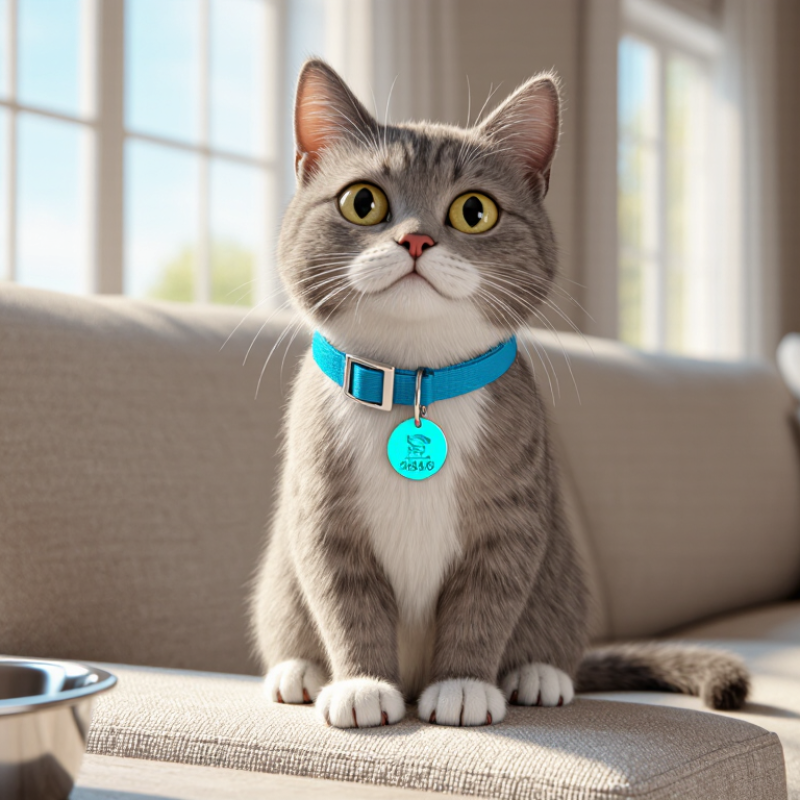
Choosing a personalized collar starts with fit and daily use. A flat collar suits many dogs for routine walks, while a breakaway style is often chosen for cats. Measure the neck with a soft tape, then check that two fingers fit beneath the collar.
Fit matters.
Nylon is lightweight and dries quickly, though it can hold odors. Leather feels sturdy but needs drying and care after wet walks. A collar that looks perfect online may rub or feel bulky.
Personalization should stay readable and practical. Embroidered names are easy to spot, while engraved tags can carry a phone number if the collar turns around. Keep details limited; a pet’s name and one contact number are usually enough.
The American Pet Products Association’s 2025–2026 National Pet Owners Survey estimates that 94 million U.S. households own a pet, reflecting how many people make everyday choices about pet care.
That figure does not measure collar preferences, so treat it as context, not proof that customized collars are safer. Check stitching, buckle strength, and whether lettering remains clear after cleaning.
Small details count.
I would still recheck fit as a young pet grows; that step is easy to forget.
How to Easily Personalize Pet Collars in 2026?
Choose Safe Details and Decide What Information to Display
Personalizing a collar should make your pet easier to identify without adding hazards. Choose a lightweight tag with smooth, rounded edges, and avoid charms that dangle or catch on branches. For cats, consider a breakaway collar designed to release if it snags. Check the fit regularly; you should be able to slide two fingers beneath it. Keep it legible.
Decide what someone needs to reunite you with your pet. A pet’s name and a current phone number are useful; a full home address is usually unnecessary. The ASPCA’s 2012 national lost-pet survey reported that 93% of lost dogs and 75% of lost cats were recovered. The figures are encouraging, but the survey is older and self-reported, so they are not a guarantee. I still see owners overlook small print. Make sure the number remains readable after rain and everyday wear.
Tips: Use high-contrast lettering, test the clasp, and check the collar for fraying. Keep the phone number current. If your pet has a medical need, ask your veterinarian what brief wording is useful before adding it to the tag.
A personalized collar should make useful information easier to find, not harder to read. Choose a method based on your pet’s routine, collar material, and comfort. For a dog who swims or rolls in wet grass, a firmly attached metal tag may be more practical than delicate stitching. Check that the collar still fits comfortably after adding anything.
Engraving offers a simple, low-maintenance option. A name and one current phone number usually fit better than a crowded list of details. Ask for lettering deep and clear enough to remain legible as the tag gets scratched. Small detail, big difference. Embroidered names can look neat and avoid a dangling tag, but check that the thread does not irritate your pet’s neck.
QR tags can link a finder to extra contact details, care notes, or an alternate number. Keep the profile current, and avoid posting information you would not want strangers to see. A QR code may feel modern, but it depends on a working phone and a readable tag. Keep it simple. Before relying on one, scan it yourself in dim light and confirm the page opens. A plain engraved number can still help when a finder cannot scan the code.
| Customization Method | How It Works | Information or Design Options | Durability Considerations | Best Suited For | Practical Tip |
|---|---|---|---|---|---|
| Engraved metal ID tag | Text is cut or marked into a small metal tag attached to the collar. | Pet’s name, one or more phone numbers, and a short message. | Engraving is generally more resistant to rubbing off than surface printing; the tag can still scratch, bend, or become detached. | Owners who want contact details visible without relying on a phone or internet connection. | Keep the wording concise and check that the tag is securely attached and easy to read. |
| Engraved collar plate or buckle | Identification text is engraved directly onto a metal plate or suitable buckle component on the collar. | Pet’s name and a phone number; available space depends on the plate or buckle size. | Because the information is part of the collar hardware, there is no separate hanging tag to jingle; hardware can still wear or be damaged. | Pets that find dangling tags uncomfortable or noisy. | Confirm that the engraving remains visible when the collar is fastened and fitted on the pet. |
| Embroidery | Letters or simple designs are stitched directly into a fabric collar. | Pet’s name, a phone number, or short decorative wording. | Stitching does not peel like a surface coating, but repeated abrasion, snagging, and washing can cause wear. | Fabric collars and owners who prefer identification integrated into the collar. | Choose clear, high-contrast lettering and avoid crowding text into a narrow area. |
| Woven-in text | Text or a simple pattern is incorporated into the collar material during weaving. | Short names, repeating patterns, or limited identification text, depending on the design. | The design is part of the woven material, although the collar itself can fray or fade with use and washing. | Custom fabric collars with a coordinated pattern or low-profile text. | Ask how much text can fit legibly before choosing a long name or multiple contact details. |
| Printed or heat-transferred text | Ink or a transferred design is applied to the collar surface. | Names, phone numbers, colors, icons, and other simple graphics. | Print may fade, crack, or wear with friction, moisture, sunlight, and repeated cleaning; performance varies by material and process. | Colorful designs, short-term use, or collars where visual customization is the priority. | Follow the maker’s care instructions and inspect the text periodically for fading. |
| QR-code tag | A scannable QR code on a tag opens an online pet profile when scanned with a compatible device and connection. | May link to contact details, medical notes, or other information selected for the profile. | The code can become difficult to scan if scratched, dirty, or damaged; access to linked details depends on the service and connectivity. | Owners who want to share more information than fits on a small physical tag. | Test the code after setup, keep essential contact information on the tag when possible, and review profile privacy settings. |
Selection reminder: Choose a method that suits the collar material, the amount of information needed, and your pet’s comfort. Check collar fit and inspect tags, stitching, and hardware regularly.
A personalized collar should be easy to read and comfortable before it looks stylish. Choose colors that stand out against your pet’s coat: a bright teal collar may be easier to spot on dark fur, while a deep blue can show clearly on a pale coat. Patterns add character, but tiny prints can blur from a distance. Small details matter. Check that stitching feels smooth and the collar does not rub beneath the chin.
Add your pet’s name and a current contact number in clear, legible lettering. Keep the text short enough to read quickly. Before ordering, check the available space and how the lettering holds up to water and daily wear. Fit matters more than decoration: you should be able to slide two fingers beneath the collar without forcing them.
Optional smart features, such as location tracking or activity monitoring, can be useful, but they add weight and need charging. Check the device’s fit, battery life, and water-resistance details rather than assuming every model suits every pet. Test it indoors. Personalization can still go wrong—a favorite pattern may hide the text, or a tracker may feel bulky—so inspect the finished collar and watch your pet wear it for a short time.
A personalized collar should fit well before it looks distinctive. Fasten it so you can slide two fingers beneath the band, then check that it does not slip over your pet’s head. This is a useful starting point, not a substitute for checking the collar maker’s guidance or your pet’s build. Look for smooth edges and flexible materials that won’t rub beneath the jaw or behind the ears. Comfort matters on ordinary walks.
Keep the personalization easy to read. A pet’s name and one current contact number are often clearer than several lines of tiny text. Choose strong contrast, such as dark lettering on a light surface, and avoid decorative fonts that blur at a glance. Small details matter. Check the engraving or printed text in daylight and under indoor lighting; glare can hide otherwise legible letters. If your contact details change, update them promptly.
Durability deserves a close look, too. Tug gently on the stitching and inspect the buckle, ring, and any attached nameplate for looseness or sharp edges. Consider whether the collar can handle rain, mud, and regular cleaning, and follow its care instructions. Personalization can add parts that wear differently from the strap itself. That is easy to overlook. Recheck the fit as your pet grows or changes weight, and replace a collar that frays, cracks, or no longer fastens securely.
Measure the neck with a soft tape. Fasten the collar so two fingers fit beneath it. Check that it cannot slip over your pet’s head. Fit matters.
A flat collar suits many dogs for routine walks. A breakaway style is often chosen for cats. Check your pet’s needs and the maker’s fit guidance.
Nylon is lightweight and dries quickly, but it may hold odors. Leather feels sturdy, though it needs care after wet walks. Dry it well.
A pet’s name and one current contact number are usually enough. Too many lines can become hard to read. Keep it simple.
Choose strong contrast, such as dark lettering on a light surface. Avoid decorative fonts that blur. Check the text in daylight and indoors.
Tug gently on the stitching. Check the buckle, ring, and nameplate for looseness or sharp edges. Small details count.
Recheck the fit as your pet grows or changes weight. Replace collars that fray, crack, or no longer fasten securely. It is easy to forget.
Follow the collar’s care instructions and check whether it handles regular cleaning. Personalization parts may wear differently from the strap. I still need to remember that.
How to personalize pet collars simply starts with choosing a collar type and material that suit your pet’s size, coat, activity level, and everyday needs. Consider which details are safe and useful to display, such as a pet’s name or contact information, while keeping the collar comfortable and avoiding sharp or bulky add-ons. You can personalize it with engraving, a tag, or another suitable method, depending on the collar material and the information you want to share.
Make the design easy to recognize by selecting colors, patterns, and readable text that work well together. Optional smart features may also be considered if they are practical for your pet and routine. Before using the collar, check that it fits securely without restricting movement or causing irritation. Review the personalization for clarity, and make sure the collar and its details can withstand regular wear. A thoughtful combination of comfort, legibility, and durability makes a personalized collar both useful and distinctive.
