CT Pet
Decorative collars can make a pet look polished, playful, or ready for a photo session. Yet comfort must come before appearance. This guide introduces China’s top 10 decorative collar suppliers and examines how they approach materials, construction, customization, and quality control. It also asks a practical question: Why do pets scratch decorative collars?
Scratching may signal an incorrect fit, rough stitching, trapped hair, or an unfamiliar material. Strong fragrances and heavy ornaments can also irritate sensitive skin. A collar that feels fine in the hand may still rub beneath a dog’s jaw or behind a cat’s ears. Experienced suppliers should provide clear size charts, smooth edges, secure hardware, and material details. Reliable factories may also use sample checks, stitching inspections, and wear testing before shipment. Small details matter.
Watch the pet’s behavior.
A responsible buyer should inspect the collar after several minutes of wear. Look for redness, damp fur, broken threads, or repeated pawing. Veterinarians and professional groomers can help identify skin conditions that a product review cannot confirm. Supplier claims should therefore be compared with physical samples, customer feedback, and documented quality practices. No ranking is perfect, and pricing alone proves very little. Some attractive collars may photograph beautifully but perform poorly during daily movement. This overview offers a practical starting point, not a substitute for careful testing. The safest choice balances decorative appeal, comfort, durability, and the individual pet’s needs.
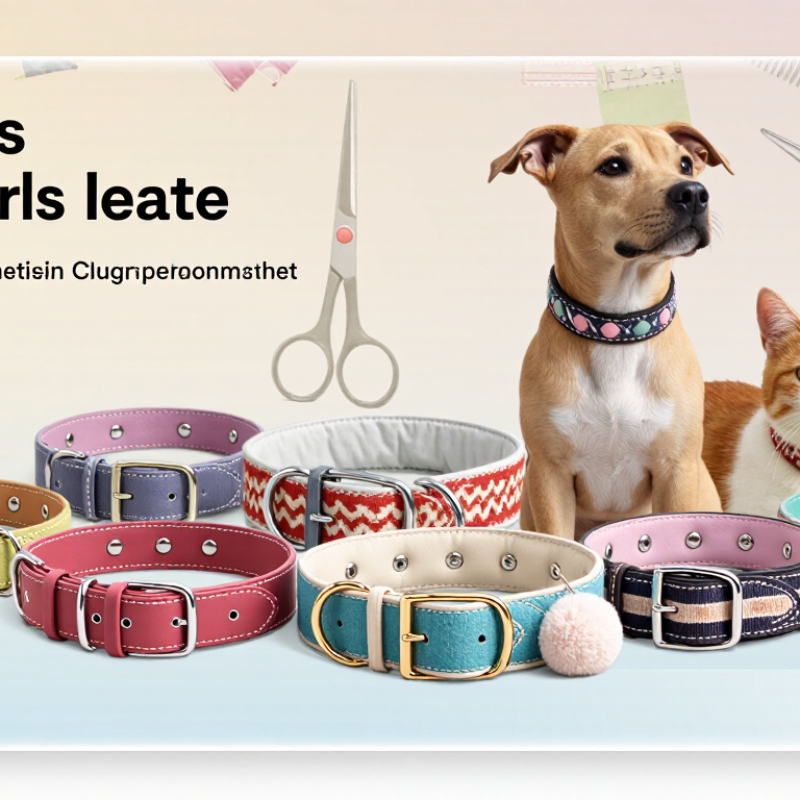
Decorative pet collars are collars designed to add visual detail without replacing essential safety features. They may use stitched patterns, soft fabric, small charms, or colored edging. Owners often use them for daily identification, photographs, celebrations, or supervised outings. The collar should remain comfortable, visible, and easy to remove.
Pets scratch for many reasons. A rough seam can rub the neck. Loose threads may catch fur. Some animals react to certain dyes, metals, or synthetic fibers. Fleas, dry skin, allergies, and ear problems can also cause scratching. The collar may not be the real cause. That is easy to miss.
Check the fit with two fingers between the collar and the neck. Inspect the inner surface after every few wears. Look for redness, broken hair, dampness, or pressure marks. Remove decorative pieces that swing near the mouth or become loose. A responsible supplier should provide material details, size measurements, seam quality, and cleaning guidance. I would not trust appearance alone; attractive stitching can still feel abrasive. Stop using the collar if scratching continues, then seek veterinary advice. Monitoring the skin matters more than matching an outfit.
A decorative collar can trigger scratching through friction, pressure, or trapped moisture. Raised ornaments may rub the neck when a dog turns its head. Tight edges can also pull fur and irritate sensitive skin. The American Pet Products Association reported that 66% of U.S. households owned a pet in 2023–2024. This large population makes everyday collar comfort a practical welfare concern, not a minor styling issue.
Check the collar after ten minutes of wear. Look for red skin, broken hairs, damp patches, or repeated pawing. Two fingers should fit between the collar and the neck, although this rule is not perfect for every breed. Short-nosed dogs, puppies, and pets with thick coats may need closer assessment. A veterinary dermatology review identifies contact irritation, allergies, parasites, and skin infections as common causes of itching. The collar may reveal the problem, not create it.
Material matters. Some pets tolerate soft, breathable fabric better than rough synthetic surfaces or heavy metal decorations. Remove the collar during supervised rest if scratching continues, and wash it according to the maker’s care instructions. FEDIAF’s 2024 European industry report estimated about 299 million companion animals in Europe, showing how widely these products are used. Still, product popularity does not prove safety for every animal. I once assumed persistent scratching meant poor adjustment. That assumption can delay veterinary care. If redness, swelling, odor, or hair loss appears, stop using the collar and seek professional advice.
China’s top 10 decorative collar suppliers serve different buying needs. One focuses on hand-sewn flowers and polished stitching. Another specializes in reflective trims for evening walks. Several offer soft webbing, lightweight hardware, and adjustable sizes for growing pets. Small-batch production suits boutique stores, while larger factories support consistent wholesale orders. Custom color matching is another practical strength.
Pet scratching often begins with poor collar fit. A tight band rubs the neck, while a loose one may twist and catch fur. Rough edges, heavy decorations, trapped moisture, or strong fabric finishes can also irritate sensitive skin. Suppliers with material inspection and sample testing help reduce these problems. However, decorative appearance should never replace comfort. I have seen attractive collars fail because their metal charms were simply too heavy.
Reliable manufacturers usually provide measurement charts, stitching checks, buckle tests, and clear care instructions. Some can produce low-allergen materials and removable decorations. Others are better at rapid sampling or flexible packaging. Buyers should request a physical sample, inspect the inner seam, and test the collar during short walks. Watch the skin afterward. A slight design flaw can matter more than a beautiful photograph. Supplier claims still need verification through samples, production records, and customer feedback.
Evidence-based comparison of common collar-related irritation factors and the supplier capabilities that help reduce them.
Scratching is commonly associated with poor fit, rough seams, trapped moisture, irritating materials, excessive weight, and insufficient adjustment. Decorative collar suppliers can reduce these risks through smooth finishing, lightweight construction, breathable materials, adjustable sizing, and pet-safe components. The index uses a 0–100 evidence-weighted relevance scale rather than company or brand sales data.
When a pet scratches after wearing a decorative collar, discomfort is often the reason. Rough edges, tight bands, heavy ornaments, or trapped hair can irritate the neck. A safe choice begins with accurate measurement. Leave enough space for two fingers between the collar and the skin. It should stay secure without pressing into the throat.
Inspect every detail before use. Check the buckle, stitching, metal parts, and decorative pieces by hand. Nothing should feel sharp or loose. Lightweight materials usually reduce pulling and rubbing. Breathable lining can help pets with sensitive skin. Avoid collars with dangling parts that may catch on furniture or fencing. A collar that looks attractive may still feel wrong after ten minutes.
In practical fitting work, gradual introduction works best. Let the pet wear the collar indoors for a few minutes, then check for redness, hair loss, or repeated scratching. I once underestimated the weight of small decorations; the pet kept lowering its head. That mistake showed me that appearance cannot replace comfort. Choose suppliers that provide material details, size charts, inspection records, and clear care instructions. Reliable suppliers should answer questions about seam strength and ornament attachment. During walks, observe breathing, movement, and skin comfort. Remove the collar during rest if irritation appears, and seek veterinary advice when scratching continues. Comfort matters more.
Pets scratch around collars for several reasons. The skin may feel irritated by trapped moisture, rough edges, loose hair, or tight pressure. Fleas, allergies, and skin infections can also cause persistent scratching. The Merck Veterinary Manual lists parasites, allergic disease, and infection among common causes of canine itching. This matters in a large market: APPA’s 2023–2024 National Pet Owners Survey reports that 66% of U.S. households own a pet. More collars mean more opportunities for poor fitting and overlooked skin problems.
Check the collar every day. You should fit two fingers between the collar and the neck, following RSPCA welfare guidance. Remove it during unsupervised crate time if it can catch on equipment. Inspect the buckle, stitching, and inner surface for sharp damage. Wash the collar regularly, then dry it completely. Redness, hair loss, swelling, or repeated scratching needs veterinary attention. A collar is not always the real cause. I once assumed looseness solved everything; the dog still scratched because seasonal allergy symptoms were developing.
Tips: Choose lightweight, breathable materials. Avoid rough seams and strong fragrances. Watch for rubbing after walks. Measure the neck monthly, especially for growing pets. Record when scratching happens. This simple note can reveal patterns, though it may not replace a professional skin examination.
They add visual detail through patterns, soft fabric, colored edges, or small charms. Owners use them for identification, photos, celebrations, and supervised outings. Safety still matters more than appearance.
Place two fingers between the collar and the pet’s neck. It should feel secure, not tight. Check puppies and thick-coated pets more carefully.
Friction, pressure, trapped moisture, loose threads, or rough seams can irritate the neck. However, fleas, allergies, dry skin, and ear problems can also cause scratching. The collar may only reveal an existing problem.
Look for redness, broken hair, damp patches, swelling, odor, or pressure marks. Repeated pawing is another warning sign. Inspect the skin closely.
Observe the pet for ten minutes. Then inspect the inner surface and neck area. Check whether seams rub or decorations swing near the mouth.
Soft, breathable fabric may suit sensitive pets better than rough synthetic surfaces. Heavy metal decorations can add pressure. Comfort varies between animals, so observe carefully.
Remove loose charms or pieces that catch fur or swing near the mouth. Take off the collar during supervised rest if scratching continues. Small details can create real discomfort.
Stop using the collar and examine the skin. Seek veterinary advice if redness, swelling, odor, or hair loss appears. I might wrongly blame the collar. Persistent itching deserves proper attention.
Decorative pet collars combine identification, everyday control, and fashionable details such as patterns, charms, soft fabrics, or reflective elements. This article introduces China’s top 10 decorative collar suppliers through their general strengths, including material selection, customization, craftsmanship, comfort-focused design, quality control, and production flexibility. It also explains how decorative collars are used safely for walking, identification, and appearance without limiting a pet’s movement or causing unnecessary pressure.
Why do pets scratch decorative collars? Scratching may result from an incorrect fit, rough edges, heavy decorations, irritating materials, trapped moisture, or a pet’s unfamiliarity with wearing a collar. Choosing a lightweight, breathable, adjustable collar with smooth stitching and secure but comfortable fasteners can reduce discomfort. Pet owners should check the fit regularly, observe the skin and coat, clean the collar appropriately, and introduce it gradually. If persistent scratching, redness, hair loss, or swelling appears, the collar should be removed and professional veterinary advice should be considered. Safety, comfort, durability, and responsible maintenance should always come before appearance.
