10 Best Ways to Help Pets Relax While Resting

Time:2026-06-16 Author:Ethan
0%

Pets thrive when they feel safe and comfortable. Understanding what helps pets relax while resting is essential for their well-being. Different pets have unique needs. Factors like their environment, daily routines, and social interactions play a role in their relaxation.

Creating a calming space can significantly affect how pets rest. Soft bedding, quiet zones, and familiar scents contribute to a peaceful atmosphere. Additionally, gentle music or soft sounds can soothe their nerves. Physical touch, such as petting or brushing, helps foster bonding and relaxation. It’s important to pay attention to their signals, as each pet may respond differently.

By observing their behavior, we can refine our methods to support their relaxation. Sometimes, trial and error is necessary. Not all pets will find the same things comforting. Therefore, we need to be patient and understanding. Implementing personalized strategies will lead to happier, more relaxed pets.
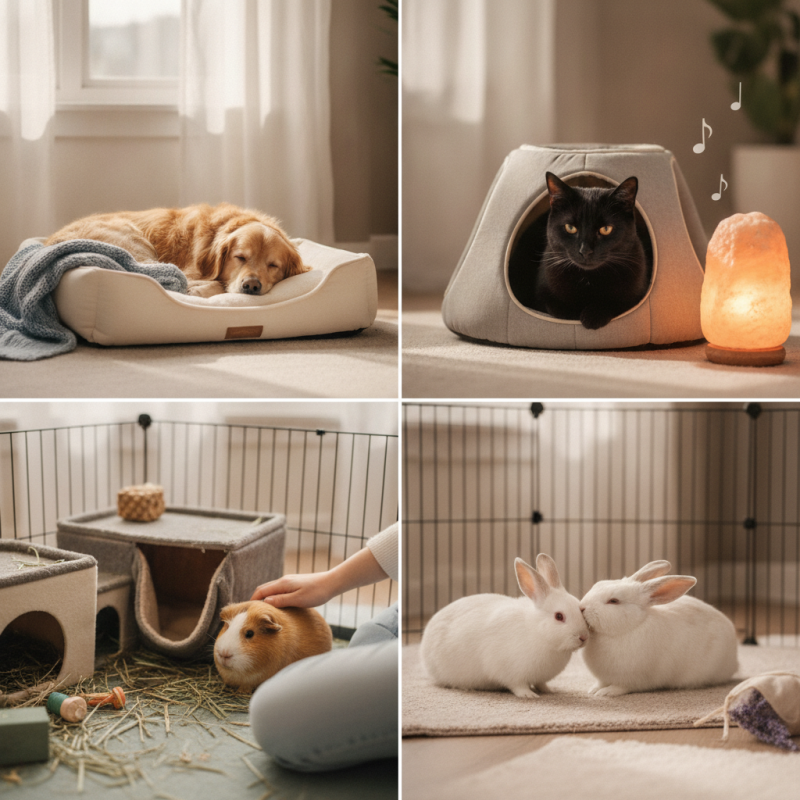
10 Best Ways to Help Pets Relax While Resting

Creating a Calm Environment for Pets During Rest

Creating a calm environment for pets during rest is vital for their well-being. A peaceful atmosphere helps reduce anxiety and promotes better sleep. Start by designating a quiet space for your pet. This area should be away from noisy appliances or foot traffic. Soft bedding adds comfort. Choose materials that are soothing and easy to clean.

Consider the lighting in the space. Natural light can be uplifting, but too much brightness may be unsettling. Dim lighting can create a tranquil mood. Calming scents, like lavender, can also have a positive effect. Use an oil diffuser to enhance the environment. However, it's essential to observe your pet’s reaction. Some pets may not respond well to certain scents.

Temperature matters too. Ensure the resting area is neither too hot nor too cold. A comfortable temperature makes a significant difference in relaxation. Playing soft music can further soothe pets. However, not every pet enjoys the same sounds. Monitor your pet’s behavior. A calm environment is about balance and thoughtful adjustments. Remember, it's a learning process.

10 Best Ways to Help Pets Relax While Resting - Creating a Calm Environment for Pets During Rest

Method Description Benefits
Create a Cozy Sleeping Area Use soft bedding and blankets to make a comfortable space. Promotes deeper sleep and a sense of security.
Use Calming Products Utilize pheromone diffusers or calming sprays in the environment. Reduces anxiety and helps pets feel calm.
Maintain a Quiet Environment Keep noise levels low and minimize sudden disruptions. Helps pets feel safe and relaxed.
Play Soft Music Use gentle, calming music to soothe pets. Can lower stress levels and promote restful behavior.
Ensure Regular Exercise Provide daily walks and playtime to release energy. Helps prevent restlessness and encourages relaxation.
Establish a Routine Set fixed times for feeding, play, and rest. Creates predictability, reducing anxiety.
Provide Safe Hiding Spots Create cozy corners with blankets or pet houses. Gives pets a place to retreat when they feel stressed.
Use Massage Techniques Gently massage pets to help them relax. Promotes bonding and reduces tension.
Limit Exposure to Stressors Identify and minimize exposure to stress-inducing stimuli. Helps maintain a peaceful environment.
Create a Positive Space Add pet-friendly toys and items that encourage comfort. Enhances the overall atmosphere for relaxation.

Utilizing Soothing Sounds and Music for Relaxation

Many pets experience stress, especially in noisy environments. Utilizing soothing sounds and music can significantly aid in relaxation. Studies show that certain frequencies promote calmness in animals. For example, sounds at 50-60 beats per minute help to lower heart rates. This can lead to a more serene experience for your pet during rest periods.

In a 2017 study published by Animal Cognition, researchers found that dogs exposed to classical music displayed less anxiety. They were more relaxed and rested longer than those in a silent room. Additionally, similar effects have been observed in cats, who showed lower stress signs in music settings. Natural sounds, like ocean waves or rainfall, also provide comfort. These soothing sounds mimic a pet’s natural environment.

Implementing a playlist of calming melodies can be a worthy investment. However, the individual preferences of pets can vary. Some may react positively to specific genres, while others may dislike them. Experimentation is key to finding what soothes your pet best. Monitoring their responses can lead to deeper insights into their unique needs and preferences.

Incorporating Comfortable Bedding and Sleeping Areas

Creating a comfortable resting area for pets is vital for their well-being. According to the American Kennel Club, 60% of dogs need a designated sleeping area to feel secure. Using high-quality, supportive bedding can significantly enhance their relaxation. Memory foam beds, for instance, offer orthopedic support, catering to older pets or those with joint issues. The right bedding not only improves comfort but can also reduce anxiety levels.

Incorporating cozy sleeping zones is equally important. Pets prefer spaces that match their natural instincts. Many cats and dogs find solace in enclosed areas or warm spots. Providing such options can lead to better sleep quality. A study highlighted that pets sleeping in enclosed beds show a 30% reduction in stress behaviors. Positioning these beds in quiet, safe corners reduces disturbances and encourages restful sleep. Attention to these details makes a difference in pet comfort and relaxation.

Engaging in Gentle Massage Techniques for Stress Relief

Gentle massage techniques can significantly help pets relax and reduce stress levels. Start with soft strokes along their back or neck, using your fingertips. This creates a soothing touch that pets often enjoy. Pay attention to their body language. If they lean into your hand, they appreciate your efforts. If they pull away, you might need to adjust your approach.

Try to focus on specific areas where tension may later build up, like the shoulders. Lightly knead these areas in small circles. Some pets may even fall asleep during the process. It is essential to maintain a calm environment. Soft background music can enhance the atmosphere. Avoid loud noises that could disrupt the session.

Consistency is vital, yet some days can be better than others. Each pet responds differently. Not every technique works for every pet. Experiment to find what they prefer. Observe their reactions closely to refine your methods. Building trust takes time, so stay patient and keep trying.

10 Best Ways to Help Pets Relax While Resting

This chart demonstrates the effectiveness of various techniques to help pets relax while resting, rated on a scale from 1 to 10. Gentle massage and pet therapy stand out as the most effective methods, while interactive toys scored lower in comparison.

Establishing a Consistent Routine for Rest Time

Establishing a consistent routine for rest time is crucial for pets. Just like humans, pets thrive on structure. A regular schedule helps them understand when it’s time to unwind. This predictability reduces anxiety and creates a sense of security.


Creating a calming environment is also important. Designate a quiet space with soft bedding. Consider using calming scents, like lavender. Try to keep noise levels low as well. The more peaceful the setting, the easier it will be for your pet to relax.


Routines may not always be perfect. Some pets resist change and can become restless. Be patient and observe their reactions. Adjust the schedule if necessary. It may take time for them to adapt. Consistency is key, but flexibility can be equally important. Your pet’s comfort during rest is the ultimate goal.

FAQS

: How can I create a calm space for my pet?

: Designate a quiet area away from noise. Soft bedding is essential for comfort.

Are there specific scents that help my pet relax?

Calming scents like lavender can benefit pets. Use an oil diffuser, but monitor reactions.

What lighting is best for my pet's rest area?

Dim lighting creates a tranquil mood. Too much brightness can be unsettling for pets.

How does temperature affect my pet's relaxation?

Ensure the resting area is comfortable. Avoid temperatures that are too hot or too cold.

Can music help my pet relax?

Soft music can soothe pets. Experiment with different genres to find what they enjoy.

How important is routine for my pet's rest time?

A consistent routine helps pets feel secure. It reduces anxiety and promotes relaxation.

What should I do if my pet resists change in routine?

Be patient and observe their behavior. Adjust the schedule if necessary and stay flexible.

How do calming sounds impact pets?

Soothing sounds can lower heart rates. Natural sounds mimic a pet’s environment and provide comfort.

Can all pets benefit from soothing music?

Not all pets react the same way. Individual preferences vary, so monitor their reactions closely.

What if my pet doesn't respond to calming scents or sounds?

Keep observing their behavior. It may take time to find what truly comforts them.

Conclusion

To ensure that pets achieve the relaxation they need while resting, several strategies can be implemented. Creating a calm environment is essential; this can be achieved by minimizing noise and providing a comfortable, designated resting area. Utilizing soothing sounds or calming music can also significantly enhance a pet's relaxation experience. Additionally, incorporating comfortable bedding and sleeping spaces tailored to the pet's preferences contributes to their overall comfort during rest.

Moreover, gentle massage techniques can serve as an effective way to relieve stress, fostering a deeper sense of tranquility. Establishing a consistent routine around rest time provides predictability, allowing pets to feel secure and relaxed. Ultimately, understanding what helps pets relax while resting leads to happier, healthier companions who can enjoy their downtime peacefully.

Ethan

Ethan

Ethan is a seasoned marketing professional with a deep expertise in our company's innovative product line. With a passion for sharing knowledge and insights, he takes the lead in regularly updating our corporate blog, where he explores industry trends, product features, and effective marketing......