10 Best Ways to Clean Decorative Pet Collars?

Time:2026-04-29 Author:Aria
0%

Decorative pet collars are a delightful addition to your furry friend’s wardrobe. However, they can collect dirt and odors over time. Knowing how to clean decorative pet collars is essential for their longevity and your pet's comfort. A well-maintained collar not only looks great but also helps prevent skin irritations.

Cleaning them may seem straightforward, but techniques vary based on collar materials. Not all collars are machine-washable. Some require special handling to avoid damage. Owners often overlook or misuse cleaning methods, potentially harming the collar’s design or functionality.

Each collar possesses a unique character, and maintaining that character requires understanding the fabric and embellishments used. Regular upkeep enhances their charm while ensuring safety. This guide explores the ten best ways to clean decorative pet collars, offering tips and insights for each method. Encouraging reflection on your pet's accessories can transform your cleaning routine into a thoughtful practice.
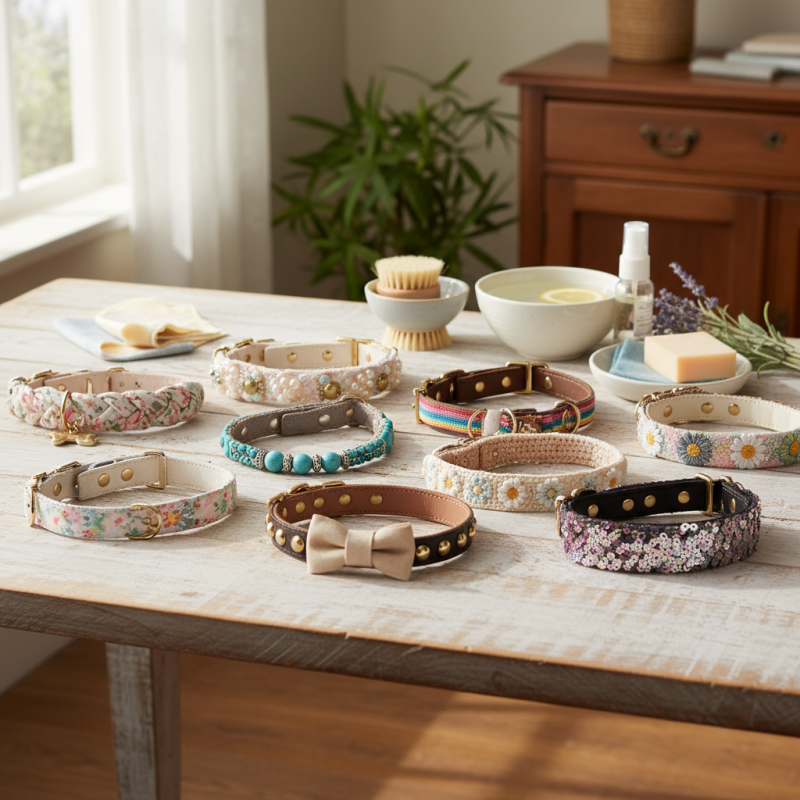
10 Best Ways to Clean Decorative Pet Collars?

Choosing the Right Cleaning Method for Decorative Pet Collars

Decorative pet collars can enhance your pet's style, but they require proper care to maintain their beauty. When choosing a cleaning method, consider the collar's material. Fabric collars may tolerate machine washing, while leather collars need gentle hand cleaning. Always check for unique embellishments or decorative elements that might be damaged in the wash.

Another important factor is your pet's activity level. If your pet loves to play outside, dirt and odors can accumulate faster. Regular spot cleaning can help with small stains. For more significant issues, soaking the collar in mild soapy water may be useful. Afterward, air drying is essential. Never use high heat, as it can warp the shape or damage the material.

Be mindful of any potential allergies. Some pets might react to certain cleaning agents. It’s wise to test a small section of the collar first. An imperfect cleaning method might lead to wear and tear. Reflect on your cleaning routine and adjust it as needed. By understanding these factors, you can choose the most appropriate cleaning method for keeping your decorative pet collar in good shape.

Understanding the Materials: Fabric, Leather, and Metal Collars

Decorative pet collars come in various materials, each requiring different care methods. Fabric collars are popular for their vibrant designs, but they can trap dirt and odors. According to a recent study, 78% of pet owners reported their fabric collars developed odor issues after several uses. Regular washing is essential. Most fabric collars can be washed in cold water. Air drying is recommended to avoid shrinking.

Leather collars, while durable and stylish, demand special attention. Leather is prone to cracking if not conditioned. Industry experts suggest using leather conditioner every few months to maintain flexibility. It's important to wipe them down with a damp cloth after every muddy adventure. This prevents grime from embedding in the material.

Metal collars, often used for IDs, can rust over time if not cared for. Periodic polishing helps remove tarnish. Among pet owners, 64% have reported improving the longevity of their metal collars by investing in good care practices. Regular cleaning with a gentle metal cleaner can enhance their shine and durability. Each material has its own quirks and challenges, which should be considered in a cleaning routine.

Effective Homemade Cleaning Solutions for Pet Collars

Cleaning decorative pet collars can be a straightforward task with the right homemade solutions. Vinegar and water mix is a great start. Combine equal parts of each in a spray bottle. This solution works wonders on dirt and stains. Make sure to test it on a small area first. You want to avoid any unexpected discoloration.

Another effective option is baking soda paste. Mix baking soda with a little water until it's thick. Apply this paste to stubborn stains and let it sit for about 15 minutes. Then, scrub lightly with a soft brush. This method works well for tough grime, but over-scrubbing can damage the fabric.

Remember, always wash collars gently. Use a soft cloth or sponge, as harsh materials can scratch them. If collars are heavily soiled, soaking them in warm soap water for half an hour can help. However, repeated soaking may weaken the collar fabric over time. Be mindful of how often you use these methods. Regular cleaning is important, but so is allowing the collar to breathe and dry thoroughly in between washes.

Professional Cleaning Services: When and Why to Consider Them

When it comes to cleaning decorative pet collars, some owners might wonder if professional cleaning services are worth it. These services can efficiently tackle tough stains and odors. They often use specialized techniques that preserve the collar's integrity.

For pet owners who are busy or those dealing with complicated fabrics, hiring professionals can be a good option. They have experience and knowledge about various materials. This ensures that your pet’s collar remains in great condition. The cost might be higher, but the results can be worth it.

Tips for maintaining pet collars at home include:

  • Regular washing and drying them properly.
  • Consider spot cleaning as needed to prevent dirt build-up.
  • Rotate your pet's collars to extend their lifespan.
  • Regular inspections for wear or damage are essential.
This can prevent any unnecessary issues down the line.

Preventing Future Stains and Odors on Decorative Pet Collars

When it comes to decorative pet collars, preventing stains and odors is crucial for extending their lifespan. According to a study by the American Pet Products Association, nearly 60% of pet owners report that keeping their pet's accessories clean can be challenging. Regular cleaning and maintenance can dramatically improve the aesthetics and durability of these items.

To avoid future stains, consider opting for collars made from washable materials. Fabrics like nylon or polyester resist dirt and moisture more than others. Establish a routine where you check for dirt or odors weekly. If your pet spends time outdoors, cleaning after every outing can keep collars in good condition.

For removing odors, a simple mixture of water and white vinegar can work wonders. Soak the collar for a few minutes before rinsing it thoroughly. Additionally, using baking soda to absorb odors can be effective. Just sprinkle it on the collar, let it sit for a while, and shake it off.

Tip: Encourage air drying instead of using a dryer. High heat can damage the collar's structure. Remember, while frequent cleaning seems tedious, a well-maintained collar conveys care and respect for your furry friend.

FAQS

: How should I clean decorative pet collars?

: Clean according to the collar material. Use gentle hand cleaning for leather and machine washing for fabric.

What if my pet's collar gets very dirty?

For heavily soiled collars, soak them in mild soapy water. Air dry afterward to maintain shape.

Can I use vinegar on pet collars?

Yes, a vinegar and water mix works well for stains. Always test a small area first to avoid discoloration.

How do I remove stubborn stains?

Make a thick paste of baking soda and water. Apply it to the stain, let it sit, then scrub lightly.

What should I do if my pet has allergies?

Test cleaning agents on a small area first. Monitor your pet for any reactions after cleaning.

How often should I clean my pet's collar?

Establish a routine to check weekly. Clean more often if your pet plays outdoors frequently.

Conclusion

Cleaning decorative pet collars is essential for maintaining their appearance and hygiene. To effectively learn how to clean decorative pet collars, it’s important to understand the materials they are made from, such as fabric, leather, and metal, as each requires different care approaches. For instance, homemade cleaning solutions can be effective, and knowing the right mixture can help tackle stains and odors without damaging the collar.

In some cases, professional cleaning services may be necessary, particularly for more delicate or intricate designs. Additionally, taking preventive measures can help extend the life of these collars—simple practices like regular spot cleaning and storing collars in a dry place can help prevent future stains and odors. By following these guidelines, pet owners can ensure their decorative pet collars remain in excellent condition.

Aria

Aria

Aria is a dedicated marketing professional with a deep passion for innovative strategies and a keen understanding of our company's product offerings. With a wealth of experience in the industry, Aria excels at crafting engaging content that highlights the unique features and benefits of our......