CT Pet
Creating a pet-friendly home is a priority for many pet owners. It raises the crucial question: what materials are safe for pet decor? The right materials can enhance your home’s beauty while ensuring your pet's safety.
Natural fibers such as cotton and wool are excellent choices for pet decor. They are durable and non-toxic. Additionally, bamboo is an eco-friendly option that is both stylish and safe. However, not all products labeled “natural” are entirely safe for pets. Always check for harmful chemicals.
On the other hand, synthetic materials often contain harmful elements. They may look appealing but could pose risks to your furry friends. Consider avoiding items made from PVC or treated woods. This choice can make a significant difference in your pet's health. Finding the right balance in decor while ensuring safety requires thought. Make conscious decisions for a better living space for both you and your pets.
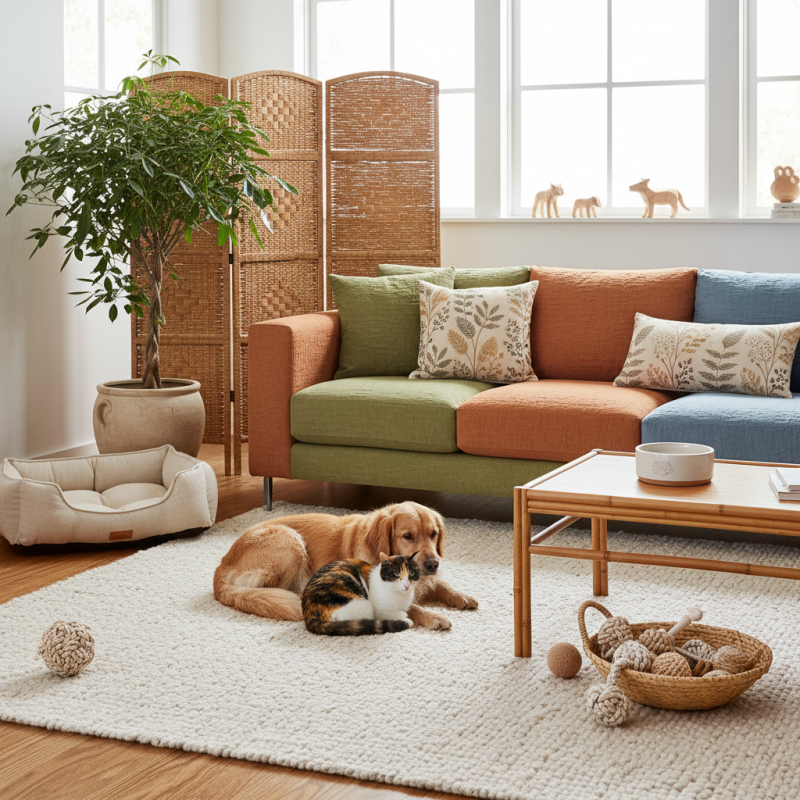
Creating a home for pets is a joyful experience, but it comes with responsibilities. Understanding safe materials for pet decor is crucial. Many items we use daily can harm our furry friends. For instance, certain woods, like cedar, can release harmful oils. Sofas and cushions, often made from synthetic fabrics, may emit toxic substances.
Choosing non-toxic fabrics is a step in the right direction. Look for materials labeled as pet-safe or hypoallergenic. Organic cotton and linen are excellent choices. They are durable yet gentle. Colors and patterns matter too. Bright, vibrant designs can stimulate pets, making spaces feel alive.
Remember, decorations should not just look good. Functionality is key. Avoid small decor pieces that pets can ingest. Sharp edges can cause injuries. Lastly, consider your pet’s behavior. A curious cat or dog may dismantle a carefully arranged setup. Reflect on your pet's needs and habits when choosing decor. This will help create a secure environment.
When decorating your home with pets in mind, it’s crucial to avoid materials that can be harmful. Common unsafe materials often found in decor include certain types of plastics, treated woods, and some metals. For instance, PVC, a common plastic, can release harmful chemicals. Reports indicate that exposure to these chemicals can lead to serious health issues for pets.
Wood can be a great option, but treated or finished wood can pose risks. Chemicals used in treatments may irritate your pet’s skin or respiratory system. Additionally, some paints and varnishes contain harmful toxins that can linger long after drying. Ensuring that any paint or sealant you choose is pet-safe is essential.
Tips: Always opt for natural materials when possible. Materials like bamboo, jute, and untreated hardwood are safer options. Regularly check decor for wear and tear, especially where pets might chew or scratch. Small changes can make a big difference in creating a safe environment for your furry friends.
When decorating your home with pets in mind, choosing safe materials is essential. Certain fabrics and finishes can harm your furry friends. Opt for natural fibers such as cotton or linen. They are breathable and less likely to cause allergic reactions. Consider washable materials for easy cleaning. Stains and smells can linger otherwise.
Tips: Use slipcovers on furniture. This allows for easy maintenance and keeps your decor looking fresh. Always check for toxic dyes or chemicals in textiles. Avoid synthetic fabrics, which may have harmful substances.
Wood is another great option. Choose untreated hardwood for pet-friendly furniture. It’s durable and can withstand scratches. However, keep an eye on splinters. They can pose a danger to curious pets.
Tips: Regularly inspect wooden items. Sand any rough edges to keep your pets safe. For flooring, consider bamboo or cork. They are sustainable and easy to clean. Remember, safety and comfort go hand in hand.
| Material | Safety Level | Durability | Maintenance | Best Use |
|---|---|---|---|---|
| Natural Wood | High | Moderate | Easy | Furniture & Shelving |
| Bamboo | High | High | Moderate | Flooring & Decor |
| Organic Cotton | High | Moderate | Easy | Bedding & Fabrics |
| Recycled Plastic | Moderate | High | Easy | Outdoor Furniture |
| Natural Stone | High | Very High | Difficult | Countertops |
When decorating your home for pets, safety should be a top priority. The paints and finishes you choose can significantly impact your furry friends. Non-toxic paints are crucial for keeping their environment safe. Look for water-based options, as they emit fewer harmful fumes. Always check for labels indicating low volatile organic compounds (VOCs). These compounds can irritate pets and cause health issues.
Finishes are just as important as paint. Traditional finishes often contain harmful chemicals. Instead, consider natural oils or waxes. They provide protection without toxic side effects. However, some of these natural options can still irritate sensitive animals. It's wise to monitor your pet's reaction after applying these products. A little sniff and curiosity are normal, but excessive sneezing or coughing can indicate an issue.
Remember, even the safest materials can have drawbacks. Thoroughly ventilate the area during and after application. This helps disperse any lingering smells. Additionally, be prepared for occasional mistakes. A spot of paint or finish may end up where it shouldn’t. Clean up spills immediately to minimize risks. Regular checks will help ensure your home remains a safe haven for your pets.
Creating a stylish environment with pets can be challenging. Many decorative materials can be harmful to our furry friends. According to the American Society for the Prevention of Cruelty to Animals (ASPCA), certain materials like treated woods and synthetic fabrics may release toxins. It is crucial to choose safe materials for decor.
Natural fibers, such as organic cotton or wool, can enhance your home's aesthetic without risking pet safety. A study from the Journal of Animal Behavior shows that pets respond better to softer textures. Rugs made from sisal or jute provide durability while being less harmful. Decorative items like ceramic or stainless steel not only look good but are also safe choices. However, searching for such options can be overwhelming.
You might find yourself confused while making choices. Not all "eco-friendly" labels guarantee safety. Regular supervision is key, as pets often interact with decor. It is important to keep an eye on any potential hazards you might overlook. Finding a balance between style and safety requires mindfulness. Take your time when decorating, as your pet's health should always come first.
: Regular exercise improves physical health and boosts mental well-being. It helps maintain a healthy weight.
Aim for at least 150 minutes of moderate exercise weekly. Break it into shorter sessions if needed.
Yes, many workouts can be done at home. Equipment is helpful but not necessary.
Include cardio, strength training, and flexibility exercises. Each type offers unique benefits to the body.
Yes, excessive exercise can lead to injuries and burnout. Balance is key for effective training.
Set realistic goals and track your progress. Find a workout buddy or join a group for support.
Absolutely, rest days are important. Listen to your body’s needs for recovery.
Light exercise may increase energy, but listen to your body. Rest if you feel too exhausted.
Staying hydrated is crucial. Drink water before, during, and after exercise to maintain performance.
It's wise to consult a healthcare provider, especially if you have underlying health issues.
When it comes to creating a pet-friendly home, understanding what materials are safe for pet decor is crucial for ensuring the health and well-being of your furry friends. Safe materials not only enhance the aesthetic of your living space but also mitigate risks associated with harmful substances. Pet owners should be aware of common unsafe materials to avoid, such as certain plastics and treated woods that can be toxic to pets.
In contrast, top recommended safe materials include natural fibers like cotton and hemp, as well as non-toxic finishes for furniture. Additionally, choosing non-toxic paints and finishes for pet areas is vital to maintain a safe environment. By carefully selecting decor items and maintaining a stylish yet safe atmosphere, pet owners can create a harmonious living space that prioritizes the safety of their beloved animals.
