CT Pet
Creating an inviting space for small pets is essential. Many owners wonder, "What decor fits small pets best?" The answer may vary based on the pets' species and personalities. Small pets need comfort, safety, and stimulation.
Consider adding cozy hiding spots, like soft hammocks or secluded corners. These elements provide security. Brightly colored toys can encourage play and interaction. However, it’s easy to go overboard. Too much clutter can overwhelm a timid pet.
Reflect on your pet's behavior. Do they prefer to burrow or explore? Adjust your decor accordingly. Always prioritize safety. Sharp edges and small items can pose risks. A thoughtful approach can create a perfect haven for your furry friends.
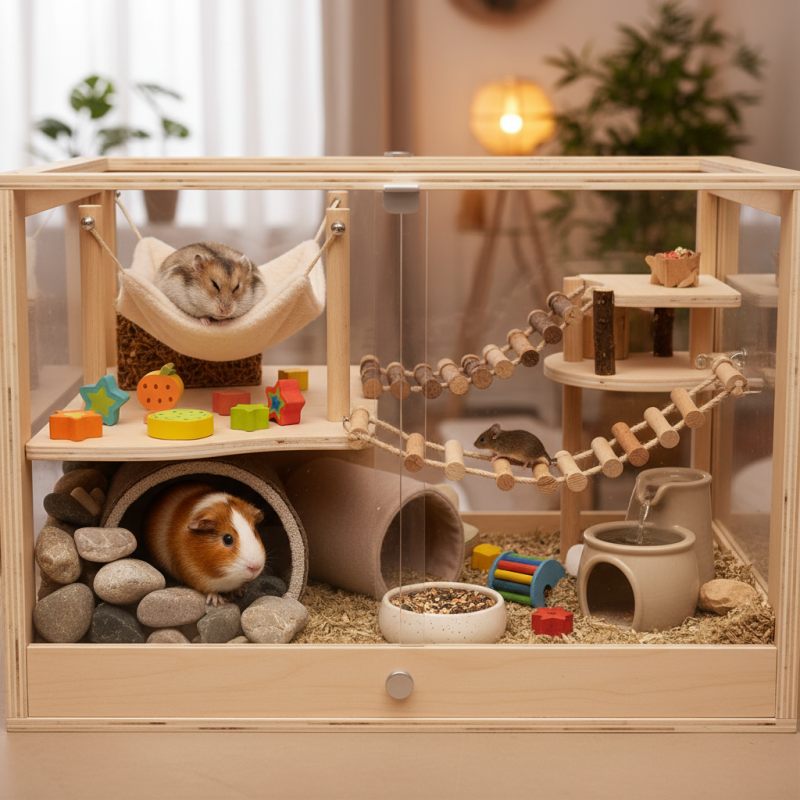
Small pets, like hamsters and guinea pigs, have specific needs when it comes to decor. These animals require safe spaces to explore and play. They thrive in an environment that mimics their natural habitat. Soft bedding and hideaways fulfill their urge to burrow. Bright colors and cute shapes may please the owner but could stress the pets. It’s essential to prioritize their comfort.
Understanding these needs goes beyond aesthetics. Small pets can get anxious with too many distractions. Too much clutter can overwhelm them. Simple designs with plenty of hiding spots work best. Wood, cardboard, and fabric are often safer choices. Avoid plastic materials that could be chewed. Ensure all decor is non-toxic and safe if ingested. Observation is vital. If a pet seems frightened or refuses to explore, adjustments might be necessary.
Decor should cater to their instinctual behaviors. Many small pets enjoy climbing or tunneling. Providing vertical space or tunnels can help fulfill these instincts. Regularly updating their environment keeps them engaged. Monitor their reactions to new items. There’s always room for improvement in creating a perfect space. Tailoring the decor to their personality will lead to a happier pet.
Creating a cozy space for small pets involves careful selection of materials. Your choices directly impact their comfort. Look for non-toxic, natural materials. These will keep your pets safe while ensuring they feel at home.
When choosing decor, consider texture and durability. Natural fibers like cotton or untreated wood are great options. Avoid plastics, as they can harm small pets. Remember, some materials may seem safe but can cause injuries. Always check for sharp edges or tiny parts they might chew on.
Tips:
• Opt for washable materials. Accidents happen, and easy cleanup is a must.
• Regularly inspect your pet's space for wear and tear. This can prevent hazards.
• Add hiding spots with soft materials to make them feel secure. Small pets love cozy corners!
When creating a habitat for small pets, space optimization is key. Many small pet owners struggle to make efficient use of limited areas. According to a 2021 report by the American Pet Products Association, 37% of pet owners live in apartments or smaller homes. This increases the need for innovative layouts that cater to pets' needs while maximizing available space.
One approach is to use vertical space. Wall-mounted shelves can serve as climbing areas for small animals like hamsters and ferrets. Adding tunnels made from safe materials can create an exploratory environment. However, owners must consider safety and accessibility. Vet reports indicate that improper climbing structures can lead to injuries. Small pets also need areas to hide and rest. Utilizing multi-level enclosures can provide necessary retreats while adding visual interest.
Incorporating creative storage solutions can mitigate clutter. Using multifunctional furniture can help. For example, a coffee table can double as a pet storage area. Despite these ideas, it's essential to regularly assess the layout. Observing how pets interact with their environment can reveal adjustments needed for improvement. Having to rearrange might feel cumbersome, but it often enhances pet well-being. Regular monitoring ensures that the habitat remains engaging and safe for every small pet.
Creating a cozy environment for small pets involves understanding their unique needs. Comfort is crucial. For small animals like hamsters and guinea pigs, soft bedding is essential. It helps them feel secure and relaxed. Shredded paper or aspen shavings provide warmth. Avoid cedar shavings, as they can be harmful.
Safety is just as important in pet decor. Ensure that all decorations are pet-friendly. Sharp edges or toxic materials can pose risks. Hiding places and tunnels can stimulate exploration without guaranteeing escape routes. Use non-toxic plants to add greenery without jeopardizing their health.
Tips for decor include creating varied heights. Shelves or ramps can promote exercise. Ensure them to be sturdy and securely attached. Regularly check for loose parts; pets are curious and may chew on them. Making adjustments is okay. Reflection on your setup can lead to improvements for their comfort and safety. Your small pet's visual and physical environment shapes their behavior, so pay attention to their preferences.
Creating an enriching environment for small pets can significantly enhance their quality of life. Research indicates that 80% of small pet owners believe that playtime improves their pet's well-being. Thus, choosing the right decor is crucial. Small pets, like hamsters and guinea pigs, thrive with varied textures and interactive elements. A mix of tunnels, ramps, and chewable materials promotes physical activity and mental stimulation.
Tip: Incorporate natural materials into your pet's habitat. Items like untreated wood and woven grass can fulfill their chewing instincts and provide a cozy environment. These materials also mimic their natural habitats, which can lower stress levels.
Decor ideas such as multi-level habitats can also encourage exploration. Studies show that pets with vertical spaces tend to engage more in play and exercise. Additionally, strategically placed hiding spots can create a sense of security. However, pet owners should be mindful not to overcrowd the space. Too many items can overwhelm small pets and lead to stress.
Tip: Observe your pet's behavior. Adjust their decor based on what engages them the most. This awareness can make a significant difference in their happiness and health. Offering a balance of enrichment and comfort is key to keeping small pets thriving in their environment.
| Decor Type | Features | Benefits | Suitable Pets |
|---|---|---|---|
| Hiding Spots | Dark, enclosed spaces | Provides security and reduces stress | Rabbits, hamsters |
| Climbing Structures | Ramps, platforms | Encourages physical activity and exploration | Gerbils, rats |
| Chew Toys | Natural wood, hay | Promotes dental health and reduces boredom | Rabbits, guinea pigs |
| Bedding Materials | Aspen shavings, paper-based | Comfortable, absorbent, and safer alternatives | Mice, hamsters |
| Exercise Wheels | Silent running wheels | Encourages exercise and reduces obesity | Hamsters, gerbils |
: Safety ensures users avoid injuries. It's crucial to follow guidelines closely.
Always read the manual. Check for updates and follow usage instructions.
Restart the device. If issues persist, consult customer support for help.
Yes, incorrect usage can lead to damage or personal injury. Always proceed with caution.
Regular maintenance is key. Keep devices clean and updated to prevent issues.
Ignoring warnings is a big mistake. Also, using incorrect settings can be harmful.
Visit official websites for announcements. Stay informed to ensure safety.
Improvisation can be risky. Always stick to recommended methods for best results.
Take your time. Experiment gradually while referring to the instructions.
Individual usage varies with environment and habits. Reflection is important for improvement.
When considering "what decor fits small pets best," it’s essential to understand their unique needs. Small pets require environments that cater to their comfort and safety. Selecting appropriate materials that are non-toxic and durable is crucial, as these pets often chew and explore their surroundings. Layouts that optimize space can create a stimulating habitat, ensuring that pets have enough room to move freely and engage in play.
Additionally, incorporating essential features such as cozy hiding spots, climbing structures, and safe play areas will enhance their overall well-being. Decor ideas that promote environmental enrichment—like tunnels, interactive toys, and varied textures—will not only keep small pets entertained but also support their physical and mental health. By thoughtfully designing their habitats, pet owners can create a serene and enriching space tailored specifically for their small companions.
